Discover 20 practical brand activation event ideas for product launches, pop-ups, festivals, sport and retail, plus tips on filming each experience.
An effective brand activation event does not need a celebrity, huge set or complicated app. What it needs is a reason for the right audience to stop, take part and remember the brand. That could be a live demonstration, an unusual product trial, a useful workshop or a challenge that makes the campaign message tangible.
The following 20 ideas are original planning concepts, not claims about campaigns we have run or case studies from named brands. Each includes a suitable audience, the participation mechanic and a suggestion for what a videographer could capture. Use them as starting points, then test the concept against your audience, budget, location, safety requirements and rights.
If you already know which idea you want to pursue, our brand activation strategy guide explains how to turn it into a workable plan.
Product launch ideas
1. The live product problem-solving station
Invite visitors to bring a problem your product is designed to solve. A member of the team diagnoses it and demonstrates a realistic fix. This works particularly well for software, home improvement, manufacturing and professional equipment.
Why it works: The experience starts with the customer’s need, not a sales presentation. Film: the problem, concise demonstration and end result; obtain permission before recording personal or confidential details.
2. The blind comparison test
Let participants compare two relevant options without knowing which is which, then explain the differences. This can work for appropriate food products, audio equipment or materials — provided the process is fair, safe and not misleading.
Why it works: People actively investigate the product claim. Film: testing, observation and the reveal; never edit the sequence to make a losing product appear to win.
3. Make it yours: personalised product customisation
Let visitors choose a colour, label, detail or design feature and take home the result. Keep the choice manageable and make sure the finished product reflects the brand’s real offering.
Why it works: Personal ownership makes an otherwise ordinary interaction memorable. Film: selection, creation and final reveal.
4. The 90-second expert demonstration
Build a repeatable product presentation around one surprising feature. Use a physical object, visual comparison or real use-case rather than an endless slideshow. Run it at scheduled intervals so people know when to attend.
Why it works: Visitors understand a complex idea quickly. Film: hands, product close-ups, the key explanation and the reaction when the feature becomes clear.
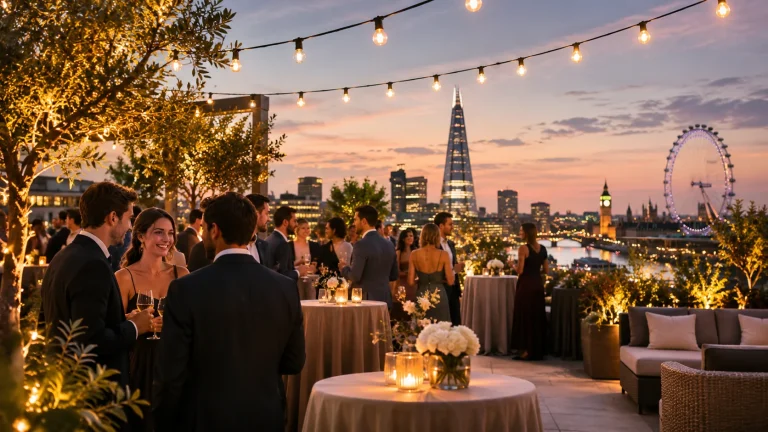
5. The first-look preview evening
Invite a defined group of customers, press, creators or trade buyers to experience an unreleased product. Include time for direct questions and allow useful feedback, not only a scripted launch speech.
Why it works: Access creates a sense of involvement. Film: setting, reveal, practical demonstrations and optional interviews in a quieter area.
Experiential and pop-up ideas
6. A small immersive world
Create a temporary space that conveys one aspect of the brand: the texture and craft of a furniture maker, the atmosphere of a boutique hotel, or the process behind a new material. Good sensory design can be effective at a modest scale.
Why it works: People can experience the brand promise. Film: the transition into the space, meaningful details and visitor interaction — not a misleading shot suggesting the installation is larger than it is.
7. Pop-up repair or care clinic
Offer maintenance, repair advice or a demonstration of how to make a product last longer. This works for clothing, sporting equipment, electronics and home products when the staff have appropriate skills.
Why it works: It provides a valuable service and demonstrates expertise. Film: the repair process and real before-and-after results with the owner’s agreement.
8. The make-and-take workshop
Visitors spend 15–30 minutes creating something with the brand’s tools or materials. An interiors company might offer a colour-matching exercise; a craft brand could teach a small technique; a technology brand could guide a project.
Why it works: People leave with a new skill and a tangible outcome. Film: instruction, hands at work and participants showing the final piece, with appropriate permissions.
9. Community story wall
Ask people to contribute ideas, memories or practical tips related to the campaign. Present the submissions in a way that creates a collective result rather than a wall of random sticky notes.
Why it works: The audience helps make the experience. Film: contributions and the changing installation. Moderate submissions, obtain consent for identifiable stories and ensure accessibility.
10. Collaboration trail
Partner with several complementary local businesses so visitors can complete a short trail or collect meaningful experiences at each stop. A local food-and-design partnership might create a guided discovery route.
Why it works: Each partner contributes real value and expands the potential audience. Film: distinct locations, the connecting journey and a clear final result; confirm property and brand permissions.
Event, conference and sponsor ideas
11. The audience skills challenge
Set a short activity that demonstrates a core capability. A sports brand might organise a controlled accuracy drill; a software company could invite delegates to complete a workflow task; a photography brand might run a composition challenge.
Why it works: Participation is easier to remember than a lecture. Film: the invitation, attempt and result, safely and without overclaiming what a game measures.
12. The interactive question booth
Instead of an empty stand, create a station where guests can get a genuinely useful answer from a specialist. Visitors pick from a set of common questions and see a demonstration in response.
Why it works: The value is immediate and tailored. Film: concise expert explanations and commonly asked questions, avoiding confidential enquiries.
13. The sponsor-powered recharge space
At an appropriate event, a sponsor can make the venue more comfortable with charging, shelter or other genuinely useful facilities. Provide enough seating and capacity so it does not become a queue that blocks movement.
Why it works: The sponsor is remembered for something helpful. Film: use of the space in context, not endless signage. Confirm what sponsorship rights cover.
14. The live build or reveal
A brand assembles or completes something in stages during the event: a collaborative artwork, small installation or product demonstration. The final reveal gives the event a natural moment of anticipation.
Why it works: It creates a story over time. Film: progress at intervals, the team explaining the work and the finished result. Any structures must be professionally assessed where necessary.
15. The industry myth-busting demonstration
Invite people to test common assumptions in a controlled and honest way. An energy-efficiency business could demonstrate common sources of heat loss; a manufacturer might illustrate material differences using safe samples.
Why it works: A useful discovery encourages questions. Film: a clear before-and-after comparison, with claims supported by appropriate evidence.
Community, retail and sports ideas
16. A beginner-friendly sports taster
Offer short coached sessions in a sport such as padel or tennis. Keep the session accessible and match the difficulty to attendees, with qualified supervision and safe court access.
Why it works: First-time participation lowers the barrier to future involvement. Film: welcome, coaching moments, the first successful rally and approved reactions. See sports brand activation ideas for more detailed sports-specific advice.
17. The neighbourhood discovery day
A local brand hosts a series of useful demonstrations or community moments in partnership with its neighbours. Instead of chasing abstract reach, the event builds relevance with people who can realistically become customers.
Why it works: The experience has a clear local purpose. Film: the neighbourhood context, local voices and genuine participation, avoiding generic stock-style footage.
18. The creator-led learning session
A credible specialist or creator teaches something relevant to the brand, with room for questions. The partner should be chosen for genuine expertise, not just follower count.
Why it works: People receive value before hearing a promotional message. Film: explanation, demonstration and takeaway; review paid partnership and advertising labelling requirements under ASA guidance.
19. The fan-choice showcase
Allow visitors to choose a design, product variation, match-up or demonstration from a shortlist. Display results in real time if the voting system is reliable, and explain how the result will be used.
Why it works: People help influence the experience. Film: votes, suspense and final reveal. Do not suggest the public has influence beyond what the organiser intends to honour.
20. The after-hours behind-the-scenes tour
Invite a small, relevant group to see how a product or service is made. This could mean a safe workshop tour, a hotel operations demonstration or a carefully planned rehearsal experience.
Why it works: Access helps build trust and understanding. Film: controlled detail shots, expert commentary and the most revealing stage of the process. Secure confidentiality, safety and filming approvals in advance.
How to choose an idea that is right for your brand
Start with the barrier. If people don’t understand the product, choose a demonstration. If they know it but haven’t tried it, offer a low-friction trial. If customers need confidence, use real expertise or evidence. If the goal is community, create a reason to return.
Then ask whether the activity is credible. A software brand running a cooking competition may be entertaining, but the connection might be too weak. A manufacturing brand inviting visitors to test a material is more likely to reinforce a relevant message.
Finally, calculate operational effort. A small workshop with qualified staff, good access and reliable equipment can be a better first activation than an immersive build requiring complex permissions, contractors and security.
Match the idea to the audience, not to the trend
For consumer products, sampling, personalisation and useful demonstrations are often natural options. For B2B businesses, expert clinics and problem-solving workshops may generate better conversations. For charities, a respectful and meaningful participatory activity can communicate the cause. For sports brands, supervised skills experiences and community events may be more credible than celebrity appearances.
A campaign aimed at existing customers should feel different from one designed to reach strangers. Loyal customers may appreciate deeper access and recognition. New audiences often need a short explanation and a clear, optional next step.
How to turn one activation into multiple videos
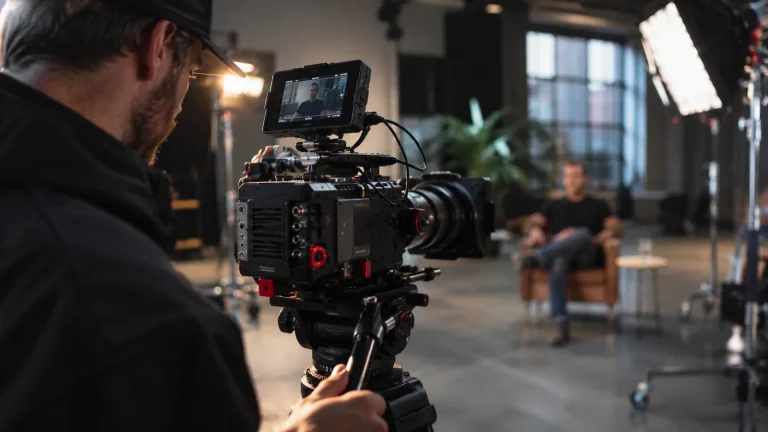
A useful way to plan the filming is to identify three stories: what the activity is, what a participant experiences and why it matters to the brand. Each one can become a different edit.
For example, a pop-up launch could produce a 60-second event recap, two short product demonstrations and one founder interview. A sports challenge might benefit from an energetic vertical highlights clip, a coach-led explanation and a separate sponsor recap. A charity workshop may need a more thoughtful interview-led film that protects participants’ dignity.
The filming schedule should follow the moments that matter. Plan early access for clean shots of the venue and product, then record genuine participation without repeatedly interrupting visitors. Assign a quiet place for interviews and agree permissions, talent rights, music usage and delivery terms before the shoot.
A simple activation planning checklist
Before approving the concept, make sure the team can answer:
- Who is the primary audience, and what do we want them to do?
- Why would someone participate without an incentive?
- Can a passer-by understand the invitation within five seconds?
- Is the activity safe, inclusive and appropriate for the setting?
- Do we have the right venue, suppliers, staffing and permissions?
- What does success look like in measurable terms?
- How will interested people follow up?
- What will the videographer need access to, and who approves the final edits?
If any answer is unclear, simplify the concept before spending on signage or a temporary build.