Sports brand activation ideas for clubs, padel, running, tournaments and sponsors, including rights, filming permissions and fan experiences.
Sports give brands something most advertising campaigns struggle to create from scratch: an audience that already cares. Supporters follow teams, players, tournaments, clubs and communities because the action means something to them. A good sports brand activation respects that relationship and contributes something worthwhile rather than treating fans as people who have come to look at sponsor signage.
That could mean a supervised skills challenge, a useful product demonstration, community coaching, an interactive fan experience or content that gives supporters access to a story they would not otherwise see. The brand’s role should be clear, but the experience must still feel connected to the sport.
This guide explores sports activation ideas for clubs, events, sponsors and growing brands, with practical suggestions for padel, football, running and amateur tournaments. It also explains rights, safety and the filming considerations that matter when a sports campaign needs to become useful video content.
What is sports brand activation?
A sports brand activation is a campaign that encourages people to engage with a brand through a sports-related experience, partnership or activity. It might be run by a sponsor, equipment supplier, venue, club or event organiser. The activity should reinforce a relevant brand message while adding something to the audience’s experience.
Sponsorship provides an association or commercial right. Activation is what you do with that relationship. A logo on the perimeter board is a sponsorship asset; a sponsor-funded coaching clinic or supervised fan activity is an activation. Both can have value, but they should not be confused.
Not every activation requires a famous athlete or major stadium. A carefully run padel club launch can involve the right people at a fraction of the complexity of a professional football campaign. For smaller businesses, a local sports community may be the most relevant audience of all.
Why sports create distinctive opportunities
Sport already contains several useful elements for storytelling: preparation, progress, competition, skill, teamwork, emotion and a visible result. Those elements give brand activations a natural structure.
They also create risk. An overpromoted or poorly timed sponsor message can interrupt an important match. A badly designed competition might exclude casual fans or people with disabilities. A campaign that relies on athlete footage may discover too late that the organiser cannot license it for advertising.
The safest starting point is to ask: What would make this occasion better for the people attending? Sometimes the answer is a fun challenge; sometimes it is facilities, coaching, access or practical support for a community.
Ten sports brand activation ideas
1. A supervised skills challenge
Create a short, relevant activity with a visible result: a controlled passing target, an accuracy challenge, reaction test or timed drill. Use qualified staff and suitable equipment, and design versions for different ages and abilities where appropriate.
Why it works: People get to try something connected to the sport. Film: a short explanation, the attempt, the result and a genuine reaction. Avoid claiming a game measures professional-level ability.
2. A beginner session
Offer a short introduction for people who have never played the sport. This can be particularly useful for emerging participation sports, including padel, where someone may be curious but hesitant to book a court with experienced players.
Why it works: It removes uncertainty and creates a positive first memory. Film: coaching, the first successful rally and a simple invitation to find out more about sessions or membership.
3. A product-in-use demonstration
Let people try a sporting product under appropriate supervision. This could be a training tool, ball machine or wearable, but do not make unsupported performance or medical claims. A real demonstration should show what the product does, not suggest an outcome it cannot guarantee.
Why it works: Visitors form an opinion through experience. Film: close product details, the test and an expert explanation.
4. Sponsor-supported rest and recovery zone
Where relevant and appropriately managed, a sponsor can provide comfortable seating, useful information or suitable facilities that improve the day. Avoid presenting a sports or health service as professional medical advice unless properly qualified.
Why it works: The sponsor helps meet a genuine need. Film: the service in context, without intruding on private conversations or treatment.
5. Fan-generated questions for an expert
Collect practical questions and invite a coach, athlete or qualified representative to answer a selected set. Make the topic relevant to the audience and agree the speaker’s rights and responsibilities.
Why it works: Supporters feel heard. Film: concise, useful answers suitable for short clips and a longer conversation.
6. Behind-the-scenes access
A club or tournament can offer a controlled tour of facilities normally hidden from the public, provided access, safeguarding, security and commercial rights are agreed. The experience should feel genuinely informative.
Why it works: It turns a familiar sports environment into something new. Film: permitted areas, expert commentary and details that explain how the day runs.
7. A community challenge over several weeks
Instead of one-day attention, organise a participation programme: club sessions, safe fitness challenges, or a series of grassroots activities culminating in a community event. Keep requirements inclusive and avoid pressuring people into unsafe exertion.
Why it works: Repeat participation builds a relationship rather than a single impression. Film: progress across several sessions, not only the finale.
8. Fan-created matchday content
Offer a way for fans to contribute a memory, answer a question or share an approved message connected to the event. Establish moderation and clear permission terms. The audience should not need to surrender broad commercial rights merely to participate.
Why it works: The supporter adds something authentic. Film: participants making the contribution and a selection of consented outcomes.
9. A partner-backed junior clinic
An equipment company or local sponsor could help a club run a supervised junior session, supporting access to sport. This must be designed with suitable coaches, safeguarding, insurance, parental arrangements and care over how children’s images are used.
Why it works: The sponsor contributes to participation rather than just visibility. Film: if filming is appropriate at all, prioritise permission, dignity and safeguarding; avoid defaulting to close-ups of identifiable children for advertising.
10. The post-event fan recap
The event itself may offer an opportunity to create a useful, approved recap: selected activities, short interviews, sponsor services and community highlights. This should not be confused with unrestricted rights to broadcast competitive action or use commercial footage from a rights holder.
Why it works: The activation reaches supporters who could not attend. Film: permitted activity and meaningful detail, then edit for the intended channel and rights.
Sports activation by sector
Padel clubs and tournaments
Padel lends itself to concise visual storytelling: fast exchanges, club social interaction, coaching and accessible challenge formats. A new club might use a supervised taster followed by a short presentation of membership options. A sponsor could support a rally challenge or coach-led skills session. Tournament organisers may value atmosphere and approved interviews as well as highlights.
Filming advice: Courts are constrained spaces with glass walls, tight sightlines and fast balls. Agree safe camera positions before play starts. Shooting through the glass can introduce reflections, so test the lighting and angles. Prioritise court action, players entering and leaving, coach commentary and the wider club atmosphere. For a filming enquiry, see our sports videography offering.
Football and fan communities
Grassroots events can support skills clinics, community recognition, accessible fan experiences and local sponsor activities. Professional clubs involve much more complex rights, access and security arrangements. Do not assume that a commercial sponsor can use player likenesses, competition footage, kits, club marks or stadium images in advertisements merely because it has paid for a partnership.
Filming advice: Identify the precise permitted zones, whether any match action can be filmed, who grants athlete or coach permissions and what commercial use is permitted. If rights to play are unavailable, a strong film can still focus on a permitted community clinic or activation area.
Running events
Running lends itself to useful experiences: community warm-ups, route familiarisation, equipment demonstrations and post-finish community moments. A branded space needs to support the runner rather than complicate race logistics.
Filming advice: Work within organiser-approved access and avoid interfering with the course or participants. Show the brand’s role before or after the event, not only anonymous runners passing a camera.
Fitness and gym communities
Fitness brands may offer a supervised workshop, introduction to equipment or technique demonstration. The audience may be more interested in a practical takeaway than a competitive spectacle.
Filming advice: Respect the privacy of members who are working out and may not wish to appear publicly. Create an explicitly approved filming area and have clear talent arrangements for any testimonial-style footage.
Tennis and racquet sports
An accessible coaching clinic or accuracy activity can make good use of branded training equipment. Make participation safe for different experience levels and check appropriate court permissions.
Filming advice: Ball movement is quick, and the same rally may look different from side-on and behind-court positions. Use camera angles that explain the activity rather than relying only on slow-motion close-ups.
Sports sponsorship activation: where to start
The sponsor should begin by understanding the organiser’s rights package. Does the contract include activation space, on-site staff access, approved use of event marks, player appearances, digital content, hospitality or data capture? Are there category restrictions or exclusive sponsors already operating at the venue?
Then define the audience and action. A sportswear partner might want authentic product trial; a B2B sponsor might value relevant networking; a local community sponsor might prioritise growing participation. These outcomes call for different experiences.
Choose the simplest activity that demonstrates why the brand belongs at the event. A generic giveaway does not suddenly become meaningful because a club crest is added to the bag.
Read our more detailed sponsorship activation guide for rights, deliverables and measurement considerations.
Essential safety, privacy and filming permissions
Sports activities need proportionate risk planning, competent supervision and suitable equipment. The Health and Safety Executive sets out general responsibilities for organisers, including operations and contractors.
Filming rights are not one permission. The organiser may control venue access, but another body can hold rights to competition footage, music, marks or commercial use of athlete images. Contract wording matters. Confirm the planned advertising channels, term of use, sponsor approvals and whether footage will be supplied to partners.
Identifiable participants can be personal data. Plan privacy information, a suitable lawful basis and any necessary permissions, especially for featured interviews. The ICO’s guidance emphasises additional care where children are involved. If creators are paid or incentivised to post about a sponsor, check ASA advertising disclosure guidance.
Drones are not an automatic option at sports events. In the UK, the CAA prohibits flying over crowds in the Open category; other flight and site restrictions may also apply. A venue’s permission alone does not override aviation law.
How to plan a sports activation shoot
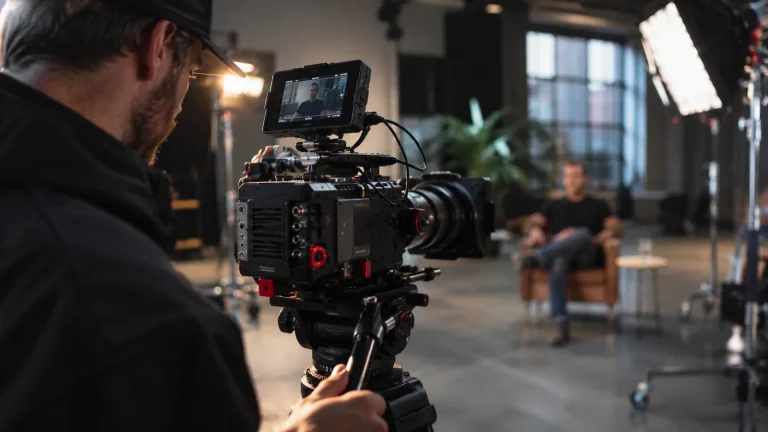
A good filming brief includes more than start and finish times. Provide the activity schedule, location layout, event access, likely attendance, athlete or presenter appearances, approval contacts, permission limitations, sponsor requirements and the intended edits.
Before the event, discuss where the strongest action will happen and which angles are safe. Record establishing views of the branded space before it becomes crowded. During the experience, capture participants actively using it, coaching, demonstrations, relevant sponsor presence and authentic reactions where agreed.
Ask organisers whether the footage is for organic social media, paid ads, website use, sponsor reporting or internal review. Those uses may require different permissions. A fast-moving vertical clip can explain a simple challenge, while a longer film may be better for a case study or club launch.
A practical list of video outputs
- An energetic highlights edit showing the full activation in context.
- Short vertical clips for social channels featuring one clear activity each.
- An approved coach or organiser interview explaining the purpose.
- A demonstration video that explains a product or training activity.
- A sponsor recap illustrating agreed contractual deliverables.
Agree priorities rather than assuming every output can be created from one camera angle in a limited time window.
Measuring a sports activation properly
Attendance alone is not enough. Useful measures include appropriate participation, product trials, qualified contacts, booked sessions, feedback and return participation. For sponsor reporting, compare actual delivery with contract obligations and the brand’s goals.
An illustrative padel club launch might attract 200 visitors, lead to 80 supervised tasters and generate 25 requests for further information. Those figures would tell a clearer story than a photo of a busy court, but they would still need comparison against cost and eventual outcomes to judge commercial return.
Filming can extend the reach of the day, but views on an event recap are not the same as new members or sales. Keep those metrics separate and be cautious about attribution.
Sports activation mistakes to avoid
Do not create challenges that interfere with competition; treat athletes or children as guaranteed advertising talent; use club branding without agreed rights; place equipment where it obstructs players or spectators; or assume permission to film means permission to resell or advertise with the footage.
Do not sacrifice the actual fan experience for a better camera angle. The most effective footage comes from a safe, well-run activity people genuinely enjoy.