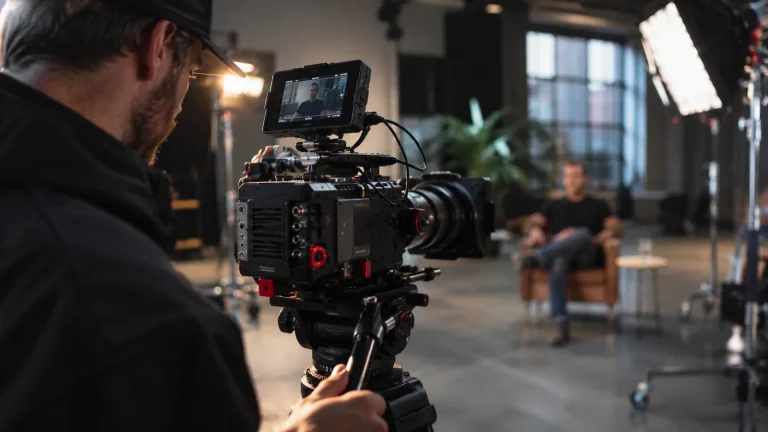
Can you film a funeral or take photographs during a service? A practical UK guide to permission, privacy, recordings and sharing memories sensitively.
When a family is planning a funeral, arranging a photographer or videographer can feel like an unusual thing to consider. Some people immediately see the value of preserving the service. Others worry that cameras might feel out of place on such a personal day.
There is no single answer for every family. It can be appropriate to film or photograph a funeral in the UK, but the family’s wishes, the venue’s permission and the privacy of people attending should always come first.
This guide explains what is usually worth discussing before arranging funeral photography, a video recording or a live stream.
Why do families choose to record a funeral?
A funeral can include words and moments that are difficult to take in fully on the day. A thoughtful recording gives people the chance to return to those memories when they are ready.
There are several reasons a family may consider it:
- Someone cannot attend. Relatives or close friends may live overseas, be unwell or have commitments they cannot change.
- The words matter. Eulogies, readings and personal tributes often contain stories the family would like to hear again.
- Family has travelled from different places. A small set of photographs can preserve an uncommon gathering of people who loved the same person.
- Personal details might otherwise be forgotten. Flowers, family photographs, a memory table or a carefully chosen order of service can be meaningful to look back on.
- They want a private family record. The finished images or film need never be posted publicly.
Equally, some families want the day to remain entirely unrecorded. That decision is just as valid.
Is it allowed to film a funeral service in the UK?
Often it is possible, but you should never assume filming is automatically permitted.
Start by speaking to the funeral director and the person responsible for the ceremony. A church, crematorium, chapel, cemetery or other venue may have its own rules about cameras, where an operator can stand, which parts of the service can be recorded and whether extra equipment or live streaming is allowed.
For Church of England services, permission to record can be at the discretion of the relevant minister, and conditions or fees may apply. The Church of England also provides guidance about privacy, consent and safeguarding when people appear in photographs or video. Other denominations, faith communities and venues will have their own requirements.
It is worth asking for the arrangements to be confirmed before paying for professional coverage.
Useful references: Church of England guidance on filming and photography and Diocese of Oxford guidance on filming in churches.
Do you need permission from everyone attending?
A photographer or videographer should not treat attendance at a funeral as permission for someone’s image to be recorded and shared.
The practical arrangements depend on the circumstances and how footage or images will be used. Religious services can raise particular data protection and safeguarding considerations. As a sensible starting point:
- Make sure the family and venue agree to the proposed coverage.
- Tell attendees in advance where possible, and provide a clear way to raise concerns.
- Avoid identifiable close-ups of guests who have not agreed to be filmed or photographed.
- Take particular care with children and vulnerable people.
- Where practical, arrange camera-free seating or framing that keeps guests out of shot.
- Agree who can see the finished images or film, how they will be shared and how long copies are retained.
This is practical guidance rather than a blanket statement of the law. The venue’s safeguarding and privacy procedures should guide the final arrangements.
What photographs are appropriate at a funeral?
Many families are more comfortable starting with the details, rather than photographs of people during the ceremony.
Images that may be meaningful include the floral tributes, order of service, framed photographs, a memorial display or the outside of the venue. If everyone is comfortable, a photographer may also capture relatives greeting one another or an informal gathering afterwards.
What should be avoided? Uninvited close-ups of people grieving, photographs taken during particularly private moments, flash photography that interrupts the ceremony or attempts to stage emotional reactions. The funeral is not a photo opportunity; it is a time for the people attending.
Sometimes the best arrangement is to photograph the setting before guests arrive and leave the service itself entirely unrecorded.
What is worth filming during a funeral?
For video, the value is often in the spoken words. A clear, steady recording of the ceremony may be more meaningful than a heavily edited montage.
A family may wish to preserve:
- The welcome and opening words
- Eulogies and personal tributes
- Readings and reflections
- The final words of the ceremony
- A small number of details that convey the person’s life and interests
Depending on the service, filming a committal or graveside moment may feel appropriate, or it may be something the family wants to keep completely private. This should be a deliberate decision, not an assumption by the camera operator.
Sound quality matters. A distant camera can record a beautiful image but still miss the words spoken at the front. Ask how the videographer plans to capture audio and whether the venue can provide access to microphones or its sound system.
Funeral photography, a video recording or a live stream?
These options solve different problems.
| Option | Best suited to | Key consideration |
|---|---|---|
| Funeral photography | Remembering people, flowers, displays and details | Agree which moments and guests may be photographed |
| Funeral video recording | Preserving a ceremony, eulogies and spoken memories | Check filming and audio permission; agree private delivery |
| Funeral live stream | Helping relatives or friends watch from elsewhere in real time | Confirm venue permission, internet reliability and viewer privacy |
A video recording can usually be watched afterwards, which is helpful across time zones. A live stream lets people join at the time, but requires more preparation and a suitable connection. Some crematoria and churches already provide webcasting; check this before arranging a separate service.
How to live stream a funeral in the UK
Can a funeral recording be shared on YouTube or social media?
A recording made for the family is not automatically cleared for public distribution.
Consider the privacy of people shown or heard, as well as the wishes of the family. Music, hymns, poems and other materials may have copyright or licensing restrictions, especially when a recording is uploaded to a public platform or live streamed. Even where a venue permits recording, that does not mean every use of the finished video is permitted.
For many families, a private, access-controlled delivery method is more appropriate than a public post. Ask the supplier how files are stored, who receives access and whether copies may be retained or used in marketing.
How much does funeral filming or photography cost?
Costs vary with the length of coverage, location, number of camera operators, audio setup, editing and delivery requirements. A straightforward recording of one service is a different job from recording several locations or creating a separate remembrance film.
For photography, a few images of floral tributes and a gathering will usually require a different brief from coverage across an entire day.
Rather than comparing prices without context, ask what is actually included: attendance time, travel, editing, delivery timeframe, the number or length of finished files, revisions, private access arrangements and any additional charges.
Questions to ask before booking a funeral videographer or photographer
You do not need to know all the technical details. These questions should make the conversation easier:
- Has the venue agreed to filming or photography, and are there restrictions?
- What parts of the day do we genuinely want to preserve?
- Can the camera be positioned without distracting the service or filming guests unnecessarily?
- If recording speeches, how will sound be captured?
- Is a live stream really needed, or would a private recording afterwards work better?
- What will we receive, when will it be delivered and who will have access?
- How will privacy, copyright and any requests not to be photographed be handled?
- Does the quote include everything we have discussed?
A good professional should be comfortable talking through these questions without pushing the family towards more coverage.
A personal decision, handled with care
Photographs or a film will never replace the experience of being together on the day. They can, however, help a family remember the people who came, the words that were spoken and the details that mattered.
The right approach is the one the family is comfortable with. It may be a complete recording, a handful of discreet photographs or no camera at all.
If you are arranging a service in Manchester or elsewhere in the North West, our team can explain the practical options for funeral videography and funeral photography, including what would need to be agreed with the venue.
Contact us privately: hello@marino.co.uk