Planning a milestone birthday or private celebration? Discover 15 moments worth filming, from arrivals and speeches to the dance floor.
You might spend months finding the venue, choosing the flowers, sorting the music and making sure the right people can be there. Then the evening arrives, the room fills up and suddenly it is midnight.
Photographs are brilliant for remembering how a party looked. A film can capture something different: the sound of a toast, the timing of a surprise, the laughter between friends and the moment the dance floor takes off. The trick is making sure those moments are captured without turning the party into a production set.
Whether you are planning a 40th or 50th birthday, a black-tie anniversary celebration or a private event in a hotel or country house, here are the moments worth thinking about – plus the practical details that make the finished film better.
For a professional approach, our Manchester party videography team can discuss how to turn your plans into a filming brief.
First, decide what the film is for
Before writing a shot list, ask a simple question: who is going to watch this?
A two-minute film for the person whose birthday it is may feel different from a longer family keepsake. A private film can include heartfelt speeches and quieter moments. A short edit intended for social media may need a different structure, a different aspect ratio and careful thought about who has agreed to appear.
It also helps to decide if you want complete recordings of important moments. A highlights film could include a few seconds of a great speech, but it is not a substitute for recording that speech in full. Getting both may affect the setup, especially if one person is filming and other things are happening at the same time.
Once you know the purpose, the filming plan becomes much easier.
15 moments worth filming at a luxury party
1. The venue before anyone arrives
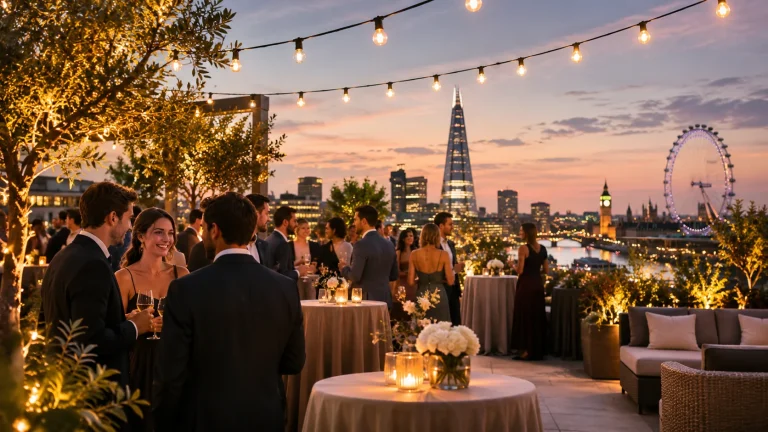
A decorated room looks completely different once it is full of people. Arrange a few minutes to capture the setting while the tables are untouched, the lighting is ready and the team is adding final details.
A short sequence showing the venue, entrance, flowers, place settings and stage can establish where the celebration happened without turning into a lengthy venue advertisement.
2. The little details you spent time choosing
Menus, flowers, handwritten notes, a cake, gifts or a bespoke table plan may not be the focus of the film, but small details give it a sense of place. This is particularly true when the party has a theme or a personal connection to the host.
Choose the details with a story behind them. Ten seconds of thoughtful shots will usually do more than a long catalogue of centrepieces.
3. The first guests arriving
Guests arriving create a natural opening: people stepping into the room, taking everything in and finding familiar faces. These scenes also introduce the people who will feature later in the film.
If there is a formal arrival or a surprise entrance, include the exact time in the running order. The camera needs to be ready before it happens.
4. Reunions and unexpected reactions
One of the most valuable parts of a milestone birthday can be seeing people who have not been together for years. A spontaneous hug or somebody’s reaction to a surprise guest may mean more than the most elaborate light show.
These moments work best when guests are allowed to be themselves. No need to ask people to repeat a hug or look surprised for a second time.
5. The guest of honour, naturally
The birthday person or host should feel central to the film without having a camera pointed at them for the entire evening. Look for them welcoming people, laughing with friends, reacting to a speech or enjoying the entertainment.
If they are camera-shy, discuss that beforehand. A film can still tell their story through the people and moments around them.
6. The room coming to life
A quick sequence of guests talking, a drinks reception and the pace of the room changing helps connect the opening details with the main celebration. It is the difference between a collection of attractive shots and a film with movement.
Try to capture people in context rather than lingering close-ups of guests who may not want to be filmed.
7. A grand entrance or surprise reveal
A special guest, a live act, a surprise performance or the guest of honour entering the room can be a highlight. These moments need advance planning, especially if the surprise must remain secret.
Tell the videographer what will happen, who is coordinating it, where the guest will enter and whether other important reactions are happening at the same time.
8. The first toast
Even a short welcome toast can provide a wonderful piece of natural sound for the finished film. It puts a real voice into the story and can say more than a soundtrack alone.
If toasts are planned, ask the venue or DJ about microphone arrangements. A camera at the back of a large room may capture the picture beautifully while missing most of the words.
9. The speeches everyone will remember
This is the big one. A funny speech, an emotional thank-you or a few honest words between family members are often what people most want to revisit.
If having a complete copy is important, ask specifically for a full speech recording as well as highlights. A clean microphone feed, continuous camera position and a reasonable backup can make a significant difference.
10. Family and friendship groups
The people are the point of the evening. Small groups talking, relatives together and old friends laughing give a party film its meaning.
A videographer can capture natural footage without asking everyone to line up. If there is a particular group you definitely want included, share that priority and a sensible time to find them.
11. The entertainment
Live musicians, a DJ, a surprise singer, a magician or a choreographed performance can change the energy of the room. Footage of entertainment also helps a film move between calmer and livelier sections.
Check with performers and the venue about filming and intended use. Music rights matter if you want to publish the finished edit online, and the fact that a song was played at the party does not automatically mean it can be used in the film.
12. The cake or key ceremonial moment
It might be a birthday cake, an anniversary toast or a special presentation. Whatever it is, these moments are short and sometimes start earlier than expected.
The person coordinating the evening should give the camera team a warning before a big reveal, rather than calling them over after the candles have already been blown out.
13. The dance floor at its best
An empty dance floor does not tell the same story as the moment everyone has forgotten about the camera and started enjoying themselves. The best dance-floor footage often comes later in the evening, after people relax.
Flashing lights and low light can be demanding. If this is a priority, mention it when briefing the crew and share any lighting or effects plans where possible.
14. A final message from the host
Some films benefit from a short closing line: a thank-you, a few words to the guest of honour or a simple reflection on the night. It does not have to be a formal interview. A relaxed message can be enough.
This is optional. If the host would rather never speak directly to camera, there are plenty of other ways to end the film.
15. The last feeling of the evening
A film needs an ending. It could be a burst of music, a final cheer, a quiet moment between family members or one last wide shot of the venue.
Think about what you want to remember most. The right ending gives the whole edit a sense of purpose.
The party filming checklist for hosts and planners
A videographer does not need every detail of the party six months in advance. But a concise brief can prevent avoidable problems on the night.
| What to share | Why it matters |
|---|---|
| Date, venue and access times | Allows arrival, setup and travel to be planned |
| Approximate running order | Helps position cameras for unrepeatable moments |
| Guest of honour and priority people | Keeps the film personal |
| Speeches and performances | Helps plan sound and uninterrupted footage |
| Surprise elements | Ensures the operator is ready without spoiling anything |
| Lighting and DJ/AV contact | Makes difficult sound and lighting easier to anticipate |
| Privacy and no-filming requests | Protects guests and helps agree appropriate coverage |
| Finished film and delivery requirements | Allows the shoot to be planned around the edit |
You do not need to write a 30-page production document. A clear one-page schedule and a quick conversation with the host or planner are often much more valuable.
Do you need one videographer or two?
One experienced videographer may be suitable for a smaller event with a straightforward running order and a highlights film. Two operators may be worth considering if several important moments overlap, the venue is spread across rooms, or you need uninterrupted speech coverage while other scenes continue elsewhere.
Do not choose based purely on guest numbers. A 50-person party with an elaborate surprise and several staged performances may be more complicated than a larger gathering with a simple schedule.
Ask for a recommendation based on the actual plan rather than assuming that a premium party always requires a large crew.
How long should a party film be?
There is no ideal runtime for every occasion. A shorter film can be more enjoyable to share and rewatch, while a longer keepsake can include more of the people and moments that matter to the family.
The best choice depends on the footage, the audience and what you want to remember. It may also be sensible to request separate full recordings of speeches rather than stretching a highlights edit to include them all.
If you want a version for Instagram, TikTok or another social platform, mention it before the event. The filming team may need to compose some shots for a vertical frame, and music and guest permissions should be considered.
Should guests be told that the party is being filmed?
Yes, filming plans and intended uses should be communicated appropriately, particularly for private events and where children or guests who do not want to appear may be present. The organiser should discuss suitable notices, permissions and any restrictions with the filming team.
Private delivery and public promotional use are different things. If the film is only for the family, say so. If the planner or venue wants to publish clips for its own marketing, that should be a separate conversation rather than an assumption.
When in doubt, ask guests or avoid filming them. A wonderful celebration film is never worth making someone uncomfortable.
What about music and speeches?
Clear sound helps a film feel real. It is worth planning for speeches, not simply relying on a camera’s built-in microphone across a loud room. Work out where people will speak, whether they are using microphones and who controls the sound system.
For the edit, remember that music played live at an event does not automatically come with permission to reuse a commercial recording online. Discuss licensed music options and what can be shared before publishing the film.
Before booking a luxury party videographer, ask these questions
A few practical questions will tell you more than a showreel alone:
- Can you show examples of event films with similar lighting and atmosphere?
- How do you capture important speeches and sound?
- How would you handle privacy and guests who do not want to be filmed?
- Is one videographer enough for our schedule?
- What exact edits and formats are included?
- When should we expect delivery, and how does the review process work?
- Can the film remain private, and what rights apply to sharing it?
- What happens if the timetable changes on the night?
The right team should be happy to explain the options in plain English.