Planning a hotel launch or venue event? Learn how to film atmosphere, interiors, guests and key moments for useful hospitality video marketing.
Some events are all about the programme. Others are about how a place makes people feel. A hotel relaunch, a restaurant opening, a hospitality showcase or an event at a distinctive venue needs video that captures both.
You want prospective guests to notice the interiors, the details, the service and the atmosphere. You also want them to understand what the event was for. Getting that balance right takes more thought than simply filming an empty room and then a crowd of people enjoying drinks.
A strong hospitality event film makes the setting feel real, brings the occasion to life and gives the marketing team content it can use again. This guide looks at how to plan the filming and what to capture before, during and after the event.
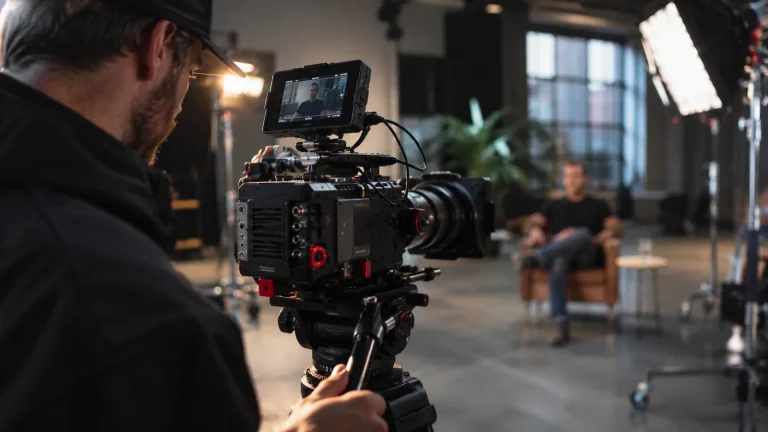
We’re a Manchester-based videography team working across the UK. For an event at your hotel or venue, you can explore our event videography service or get in touch with the team about the brief.
Start with the experience you want people to recognise
Before choosing the shots, ask what makes the venue different. Is it the architecture? The atmosphere after dark? The food and drink? The service? The ability to host a significant corporate event? Or is the occasion itself a relaunch that introduces a completely changed space?
The footage should help people imagine being there. That might mean following a guest through an entrance, showing an event space being prepared, moving from the reception to a lively function room or focusing on how staff welcome people. Those choices create a story that makes sense after the event.
Film the space before it fills with people
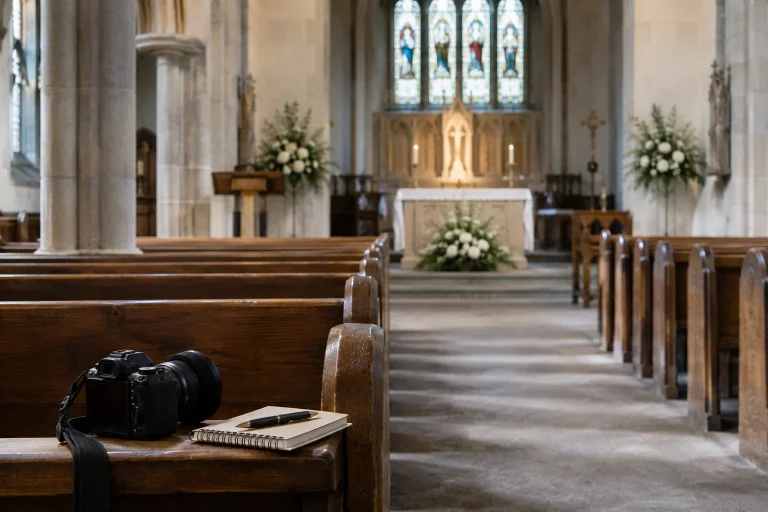
Hospitality venues change dramatically over the course of an event. Before guests arrive, there is a chance to film the architecture and preparation without interruptions.
Useful establishing shots include the exterior, entrance, lobby, event room, table setup, signage, lighting and details that reflect the identity of the brand. If the venue has recently been refurbished, make sure the areas that have changed are included. If there is a particular event setup the sales team wants to promote, capture it carefully before the room becomes busy.
This is not an invitation to create an endless property tour. Pick the details most relevant to the audience. A business considering a conference venue may care about room layout, presentation facilities, natural light and arrival areas. A potential hotel guest may be more interested in bedrooms, dining and the overall sense of the experience.
Controlled footage of the venue can also be useful in separate promotional edits. It is worth planning the coverage with promotional video production in mind if the film needs to serve both the event and the wider hospitality campaign.
Then capture the place coming to life
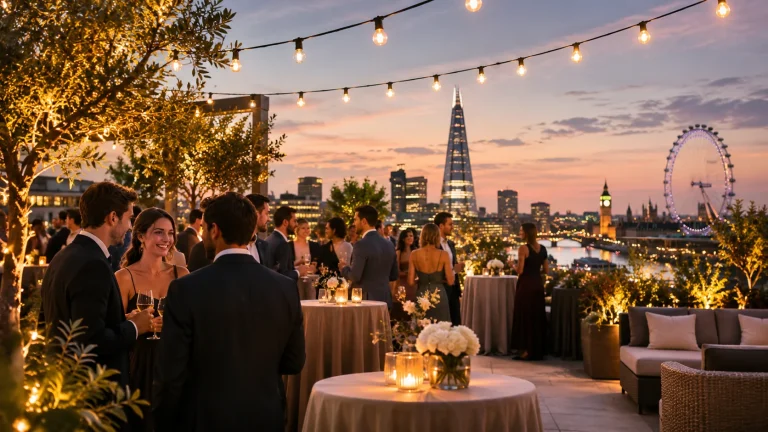
A beautiful venue feels different once it is full of people. This is where the event footage earns its place: arrivals, conversations, first impressions, speeches, service and real reactions.
Aim for a balance between scene-setting and human detail:
- Guests arriving and being welcomed, where appropriate permissions are in place.
- Staff preparing and serving, without interrupting their work.
- Conversation and movement that show the scale and tone of the event.
- Key speeches, announcements or ceremonial moments.
- Food, drinks and table details that help tell the hospitality story.
- Reactions to the space, entertainment or launch activities.
- Closing moments that give the finished film a natural ending.
Not every event needs every shot. A private client evening may require a discreet approach. A public-facing launch may give more scope for atmospheric coverage. A corporate event in a hotel may need greater emphasis on speakers, breakout spaces and practical facilities.
The filming plan should reflect the brand and the guests, not just what’s visually dramatic.
Keep the guest experience ahead of the cameras
A venue has to keep running while the footage is being captured. That brings practical considerations that are easy to overlook when looking only at the final film.
We would discuss filming access, quiet periods, where equipment can be stored, whether certain rooms are occupied and who can approve access on the day. Avoid blocking entrances, interrupting service or filming private guests without an appropriate arrangement.
Audio can be difficult in lively hospitality spaces. A speech may need sound from the AV desk or a dedicated microphone. Interviews are better planned for a quieter area. Music heard at the event may also create licensing questions when footage is turned into an online promotional film; the soundtrack approach should be agreed in post-production.
For food and beverage filming, coordinate with the team running the service. A dish or cocktail may be at its best for only a short time, but filming should not hold up guests.
Think about who will use the finished video
Hospitality event footage can serve several teams, and those teams may want different things.
Marketing and brand. A short hero film or launch recap can introduce the refreshed venue and convey its look and feel.
Events and sales. Clips showing a function room in use can help prospective organisers understand the atmosphere and possibilities of the space.
PR and communications. Launch highlights and well-chosen interview clips can support media follow-up and campaign activity, provided the relevant footage is approved.
Social media. Vertical edits can focus on interiors, food, events or individual moments rather than trying to cram every aspect of the venue into one video.
Recruitment and internal communications. Staff involvement and behind-the-scenes content may help show the people who deliver the guest experience, where participation and usage have been agreed.
A single filming day can help create several of these assets, but the outputs should be planned before the event. A polished website film and a fast-moving event Reel do not always need the same footage.
Real project example: The Midland Hotel, Manchester
A useful example of launch and hospitality filming is The Midland Hotel project in the wider Marino portfolio.
Marino created video content to support the hotel’s refurbishment and relaunch, including the launch activity and updated interiors. The brief was not simply to show that people attended an event. It was to give the hotel visual assets that could support its wider digital promotion and communicate the quality of the transformed spaces.
That illustrates an important principle: hospitality filming can work on two levels. The event film captures the occasion and the people. The venue footage shows the product that remains after everybody has gone home. Both can be useful, but they should be planned deliberately.
Another example: Leonardo Hotel Chester
The Leonardo Hotel Chester project is also a relevant illustration. Marino created a launch-ready promotional film designed to show the new hotel’s interiors, overall feel and guest experience, working alongside the wider PR effort.
For a hotel opening, the video needs to be more than an attractive series of room shots. It should give somebody a credible first impression of what it is like to stay, visit or spend time there. That is why the choice of light, movement, detail and pacing matters.
These are examples from the connected Marino portfolio, not claims that every hospitality event will have the same scope or outcome. What matters is finding the appropriate filming approach for the specific venue and event.
The hospitality event filming checklist
Before filming, agree a practical plan with the venue and marketing team.
| Item to confirm | Why it matters |
|---|---|
| Purpose and audience | A guest-facing promo and an organiser-facing event film need different emphasis |
| Spaces and priority details | Makes sure the venue’s strongest selling points are included |
| Access before guests arrive | Allows room setups, details and wide shots to be filmed cleanly |
| Event running order | Identifies speeches, reveals, performances and other fixed moments |
| Venue or AV contact | Helps plan microphones, power, safe access and changes |
| Guest privacy and filming notices | Supports appropriate and respectful use of identifiable footage |
| Deliverables and formats | Clarifies the hero film, social edits, interviews and cutdowns |
| Asset and music rights | Ensures the final film can be used on the intended platforms |
The point is to make the filming day calm. Good preparation gives Louie and Adam space to capture the natural details while Toni keeps the brief, logistics and delivery requirements aligned.
What should a hospitality event film feel like?
It should feel like your venue, not a generic advert for an imaginary five-star hotel.
For a premium opening, that might mean considered camera movement, natural sound and a slower edit that gives the interiors space to breathe. For a busy restaurant launch, it might mean a more energetic film built around staff, food and the atmosphere. For a corporate event venue, practical details and the experience of being there may be the strongest message.
The video should also give the viewer something useful to do next. That could be exploring the bedrooms, enquiring about an event space, making a booking or learning more about the relaunch. The right call to action depends on who is watching and where the video is being published.