Explore 15 real brand activation examples, from Coca-Cola and Spotify to IKEA and Netflix, with practical campaign lessons and videography ideas.
Some of the best brand activations make the marketing almost invisible. The public remembers a surprising experience, a useful service, a memorable challenge or a chance to join something they genuinely care about. The brand earns a place in that memory because it made the moment possible.
But great activation ideas are not necessarily the biggest or most expensive. The useful question is not “How can we copy that giant stunt?” It is “What principle can a business with our audience, budget and resources borrow?”
This guide examines 15 real brand campaigns and experiences, separating what actually happened from our own interpretation of why each worked. Some were one-off events; others were recurring community programmes or digital-to-physical experiences. They have different objectives, so they should not be ranked by an invented common ROI figure.
Each example includes a practical idea for smaller organisations and a filming consideration, because the most exciting experience is easily wasted if no one has thought about how to communicate it afterwards.
1. Coca-Cola — Share a Coke: personalisation as participation
Coca-Cola launched Share a Coke in Australia in 2011, replacing some of its familiar packaging branding with people’s first names. It became a discovery task: finding your own name, recognising a friend’s and giving a bottle as a personal gesture. The idea extended into travelling kiosks and later digital customisation. Coca-Cola’s own history explains the original project; the company also described its 2025 revival.
Why the idea worked: There was an action built into the product itself. People did not need to learn a game or fill in a long form. The label made the everyday object personally relevant and gave it a natural reason to be photographed or shared.
What smaller brands can borrow: Personalised packaging, made-to-order samples, a customer-name wall or a product customisation station could make a launch feel individual. Keep the process simple; do not collect information you do not need.
What to film: The moment someone finds their name, the preparation of the customised item, a short exchange between friends and the product in its real setting.
2. Spotify — Wrapped: make personal data feel like a celebration
Spotify Wrapped gives listeners a personal summary of their listening year. In 2025, Spotify also described physical installations and pop-ups connected to the campaign in multiple markets, taking the individual digital story into public spaces. See Spotify’s 2025 campaign overview.
Why it matters: The audience becomes the subject of the story. Instead of being told how important Spotify is, listeners see their own habits reflected back at them. Public installations create a second layer: visible, shareable moments connected to artists and places.
What smaller brands can borrow: A club might create a member achievement wall; a running event could produce personalised finish summaries; a learning platform could celebrate progress. The data must be accurate, appropriately handled and genuinely useful.
What to film: A combination of visitors interacting with the installation, close-ups of the personalisation mechanic and spontaneous moments of recognition.
3. Red Bull — Stratos: create a spectacle with a clear story
On 14 October 2012, Felix Baumgartner completed the Red Bull Stratos high-altitude jump. Red Bull reports a global live online audience and documents the technical preparation as well as the final leap. Red Bull’s retrospective is the primary account.
Why it matters: The story had a beginning, sustained anticipation, a decisive moment and a result. It was not merely a logo attached to an extreme sport; the brand developed a recognisable event around its association with performance and possibility.
What smaller brands can borrow: Don’t attempt a dangerous stunt. Instead, find an appropriate demonstration where the outcome is genuinely uncertain or interesting: a timed engineering challenge, a public skills attempt or a new product tested under realistic conditions.
What to film: Set-up, the people preparing, the challenge itself and the immediate aftermath. Those supporting details give the final moment meaning.
4. Airbnb and the Louvre — A Night with Mona Lisa: impossible access made possible
In April 2019, Airbnb and the Louvre announced a competition giving a winner and guest the chance to spend a night at the museum. The official Airbnb announcement described an experience involving a private tour and a specially designed sleeping space beneath the Pyramid.
Why it matters: The experience expressed Airbnb’s core promise — an unusual place to stay — in the most dramatic way imaginable. It offered one person something exceptional while allowing everyone else to picture themselves there.
What smaller brands can borrow: Create a once-in-a-lifetime but proportionate reward: after-hours access to an independent venue, a session with a respected craftsperson or an invitation to preview a new collection before anyone else.
What to film: The winner’s arrival, authentic wonder, the reveal of the location and an unobtrusive interview afterwards. Permissions are especially important in museums and protected spaces.
5. IKEA — The Big Sleepover: listen to the community
In November 2011, IKEA hosted an authorised sleepover at its Lakeside store in Essex after seeing social enthusiasm for the idea. Guests were invited into a setting built around the very products IKEA wanted to showcase. Contemporary coverage described the event, activities and pyjamas-only invitation. Event listing from November 2011.
Why it matters: The brand noticed an existing audience desire rather than inventing a complicated gimmick. Its store became a place where the products were experienced in their intended context.
What smaller brands can borrow: Listen to the questions and unusual requests customers repeatedly make. A manufacturer could host a behind-the-scenes visit; a bakery could open its kitchen for a ticketed early-morning class; a gym could run an overnight charity fitness challenge where safe and appropriate.
What to film: The invitation, arrival, environment and memorable moments that demonstrate why people wanted to be there. Never imply unauthorised overnight visits are acceptable.
6. Patagonia — Worn Wear: demonstrate a principle
Patagonia’s Worn Wear programme includes repair education, storytelling and tours built around keeping clothing in use longer. Its own Worn Wear stories archive documents tour activity and personal stories about well-used garments.
Why it matters: This is activation through service and values. The brand asks people to bring something they already own, rather than creating another occasion to buy something new.
What smaller brands can borrow: A repair workshop, skills clinic, equipment check-up or honest maintenance session can convey expertise and values much better than a slogan on a banner.
What to film: The repair process, people’s stories about their possessions and the before-and-after result. A hands-on transformation gives editors a natural beginning, middle and end.
7. Netflix — Stranger Things: The Experience: step inside the story
Netflix and Fever launched an immersive Stranger Things experience in New York in 2022, using recreated locations, interactive story elements and a themed food and retail space. The Netflix announcement explains how the experience put visitors inside the fictional world.
Why it matters: It used recognisable settings and active participation to make fans feel part of something they already loved. The brand did not have to educate people about a new story; it invited them to enter an established one.
What smaller brands can borrow: Build an experience around a recognisable world — the craft behind a product, a museum exhibition, a local food story or an interactive customer journey. The theme must have substance beyond decorative props.
What to film: Environmental establishing shots, details that fans recognise, the moment participants enter and the reactions after completing the experience. Respect intellectual-property and venue restrictions.
8. Netflix — Squid Game: The Experience: turn viewing into competition
Netflix’s ticketed Squid Game: The Experience translated elements of the show into group challenges and themed environments. Its official event explainer describes interactive games, group competition and a complementary food and merchandise area.
Why it matters: Competition creates anticipation, a result and a reason to talk about the experience afterwards. It also encourages repeatable footage: the start of a challenge, concentration, the outcome and reactions.
What smaller brands can borrow: A points-based skills challenge, product test or timed team activity can work at a trade event — as long as it is safe, accessible and genuinely connected to the product or audience.
What to film: Rules explained quickly, player reactions, readable scoring and a concise winner moment. Avoid filming participants as though they have endorsed the brand simply by taking part.
9. Cadbury — Worldwide Hide: an Easter ritual made digital
Cadbury launched Worldwide Hide in 2021, allowing people to hide virtual Easter eggs for others in meaningful locations using a digital platform. Mondelēz’s own employee interview about the project describes the original campaign and how it let people connect despite pandemic restrictions.
Why it matters: The activation kept the emotional purpose of an existing ritual — finding something someone has hidden for you — while changing its setting. Technology supported the human interaction rather than being the point of the campaign.
What smaller brands can borrow: Create a thoughtful digital participation layer around an activity your customers already enjoy, such as a local treasure trail, members’ anniversary or personalised reveal.
What to film: The person hiding the surprise, the recipient’s genuine reaction and screen capture showing the digital mechanic. Permission matters when featuring personal stories.
10. adidas Runners — London community: repeated experiences build loyalty
adidas Runners has local running communities, including a London programme listing regular runs and community leaders. The official adidas Runners London page shows the format.
Why it matters: Some activations are not big launch days. They are recurring, useful experiences where the brand supports something participants already want to do.
What smaller brands can borrow: A monthly workshop or skills series may be more commercially sensible than a one-off spectacle. It also gives you opportunities to learn and improve the experience over time.
What to film: A consistent sequence of preparation, participation and community interaction over multiple dates. Do not present an ordinary exercise group as an endorsed brand event without consent and a real commercial relationship.
11. Apple — Today at Apple: education as a reason to visit
Apple introduced free in-store Today at Apple sessions spanning photography, video, art, design and other skills. In its 2019 newsroom announcement, Apple explained the focus on practical learning and community.
Why it matters: The product features are not demonstrated as a sales pitch. People learn something useful, and the products become the tools for doing it.
What smaller brands can borrow: Run a workshop that genuinely teaches a skill relevant to the product: lighting for photography retailers, cooking techniques for kitchenware, product care for fashion or diagnostics for automotive businesses.
What to film: A participant making progress, the teaching moment and the finished result. Focus on outcomes rather than endless footage of people sitting and listening.
12. British Airways — #Lookup: connect advertising to the real world
In 2013, British Airways used digital billboards that responded to the airline’s aircraft passing overhead, prompting a child in the display to point upwards. The campaign listing and contemporary coverage describe the idea.
Why it matters: A routine real-world event became relevant in the exact moment it happened. The technology created a reason to look up, watch and remember the airline.
What smaller brands can borrow: Contextual screens or live data can make a launch feel connected to place and time. But a simple, reliable mechanism is usually better than a complex one that fails during opening hours.
What to film: The wider scene showing what triggers the screen, the interactive moment and a clear view of the result. A close-up alone would not communicate the magic.
13. LEGO — Build the Change: invite people to contribute ideas
The LEGO Group’s Build the Change programme invites children to use creativity to tackle real-world challenges through play, with activity in schools, homes and events. Its 2024 programme update explains the intention and scope.
Why it matters: Participants contribute their own ideas instead of passively receiving a message. Their creations make the experience personal, and the activity reflects what LEGO wants to be known for.
What smaller brands can borrow: Ask visitors to create, test or improve something related to the business. A design company could invite people to rethink a local problem; an educational brand could showcase creative solutions.
What to film: Hands constructing ideas, finished projects and facilitator commentary. When filming children, put safeguarding, permissions and privacy ahead of social-media content.
14. Heineken and Bodega — The Boring Phone: turn a belief into an object
In 2024, Heineken and streetwear curator Bodega revealed a deliberately basic flip phone designed to encourage people to be present on nights out. HMD, a partner in the project, described the Milan Design Week launch, and Heineken has a campaign page.
Why it matters: The physical object dramatised a simple point about distraction and social connection. It turned a message into something people could hold, photograph and discuss.
What smaller brands can borrow: Design a practical prop or trial object that demonstrates the brand belief. Be careful not to let novelty overshadow the product, and apply category-specific advertising rules where relevant.
What to film: The reveal, how the object works, the audience response and the moment of real-life use. A branded launch should have a clear age-appropriate audience.
15. Spotify x FC Barcelona — Wrapped partnership: connect two fan communities
Spotify’s 2025 Wrapped campaign included a Barcelona partnership that highlighted players’ personal listening habits and a team Wrapped event. This is described in Spotify’s campaign announcement.
Why it matters: The partnership had a subject that fans of both brands could understand — what music the players listen to. It put personalities and conversation ahead of generic sponsor visibility.
What smaller brands can borrow: Give a sponsor a distinctive role within a community, for example a local athlete’s pre-match routine, a behind-the-scenes training session or a fan-voted challenge. Secure talent, music and sponsor rights before filming.
What to film: The interaction between the brand and the sport, short personality-led moments and assets suitable for each partner’s channel. Agree who can publish each clip.
What do these campaigns have in common?
The activations above are very different, but several patterns recur. The best ones give people a simple role, demonstrate a recognisable brand truth, create a natural story and offer value before requesting attention. They also tend to produce material that others can explain and share without a lengthy briefing.
That does not mean every brand needs an immersive set, famous athlete or custom-built app. In many cases, a smaller demonstration with the right 100 visitors is a better use of money than an installation designed for thousands of passers-by who are not potential customers.
When comparing examples, ask four questions: Was the intended audience obvious? Could someone explain the idea in ten seconds? Did the activity reinforce the brand promise? Was there a credible follow-up action?
How to adapt a campaign idea to your own budget
Start by choosing a principle rather than copying an execution. Share a Coke is about personal relevance, not about putting names on bottles. IKEA’s sleepover was about answering a genuine customer desire. Patagonia demonstrated a value through service. British Airways used live context to create wonder. A local business can work with any of those mechanics at a smaller scale.
Create a single-page brief specifying the audience, one expected action, timing, staffing, accessible participation, how you will measure success and the content you want after the event. Pilot the experience with a small group before committing to a larger rollout.
Avoid common traps: copying another brand’s intellectual property, making unrealistic promises, assuming an impressive set automatically creates leads, collecting personal data without appropriate notices and forgetting the post-event distribution plan. For operational guidance, see our brand activation strategy article and event idea collection.
Filming a brand activation: turn one event into useful assets
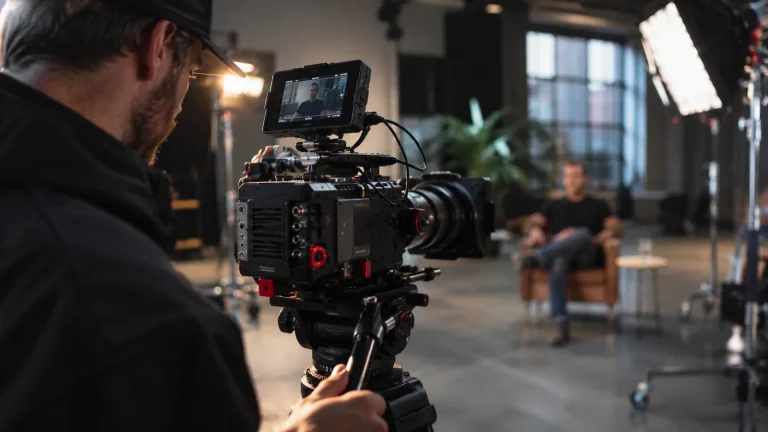
A filming crew should receive the campaign’s purpose, visitor journey and schedule in advance. When the strongest part of the activity lasts 20 seconds, being in the wrong place can mean missing the entire story.
Prioritise footage that proves the experience happened: an establishing shot; close-ups of the product or interaction; the participant actually using it; a genuine reaction; a clear brand reference; and an ending that explains what viewers should do next. Capture short interviews in a quiet location and, where required, obtain appropriate permissions before using people’s images or voices commercially.
A 60-second highlights film might work for a campaign recap, but other outputs could be more useful: a 15-second vertical clip for social media, a product demonstration, sponsor footage or a short case-study interview. The final mix should follow the campaign goal.