A practical guide to commercial photography for UK businesses: which images to commission, how shoots work and how to make the most of the finished files.
A good photograph can show a customer something that a paragraph struggles to explain. What a product looks like in somebody’s hand. What it feels like to walk into a hotel. Who they’ll meet when they book an appointment. The detail and finish of a product they’ve only seen online.
That’s the job of commercial photography: creating images that help a business communicate, market and sell what it does. It’s much broader than a portrait of someone in a suit or a carefully arranged product on a white background.
If you’re planning a new website, launch or marketing campaign, this guide explains what commercial photography involves, the different types available and how to plan a shoot that produces images you’ll actually use.
What is commercial photography?
Commercial photography is photography commissioned for a business or commercial purpose. The images might appear on a website, in advertising, on product pages, in brochures, in a press release or across social media. What makes it commercial is the purpose and use of the work, not a particular camera, style or background.
A local engineering company photographing its workshop is using commercial photography. So is an independent restaurant commissioning menu images, a law firm arranging staff portraits or a retailer producing pictures for an online catalogue.
The best starting question isn’t ‘What should we photograph?’ but ‘What does the customer need to see before they make a decision?’ The answer shapes the locations, people, lighting, format and final image list.
What kinds of commercial photography are there?
Corporate and workplace photography
Corporate photography helps introduce a business through its people, premises and the way it works. That might mean leadership portraits, team photographs, natural meetings, customer-facing spaces or details from everyday operations. If a website currently relies on generic stock images, a real shoot can make the business feel much more specific and recognisable.
For a professional-services firm, the most useful images might include partner portraits, conversations and a few wider office scenes. A manufacturer may benefit more from showing equipment, quality checks and the people responsible for production.
See our corporate photography service for the range of business imagery worth planning together.
Headshots and team portraits
Headshots are often one of the simplest photography investments a company can make. They appear on team pages, LinkedIn, proposals, speaker profiles and email signatures. The brief is about consistency without removing each person’s personality.
An office-based headshot session might use one background and lighting set-up for the entire team, while a smaller leadership shoot could allow more time for different settings and expressions. Our professional headshots page covers the options.
Product and e-commerce photography
Product images help a buyer understand shape, scale, texture, packaging, details and how the item is used. Some need a clean background for a catalogue; others need styled photography that makes the product feel part of real life.
A useful shoot might combine a hero image, clear product angles, close-up details, packaging photographs and a handful of lifestyle images. That gives the marketing team different assets without repeating the same shot in every channel.
Explore product photography for a fuller breakdown.
Event and conference photography
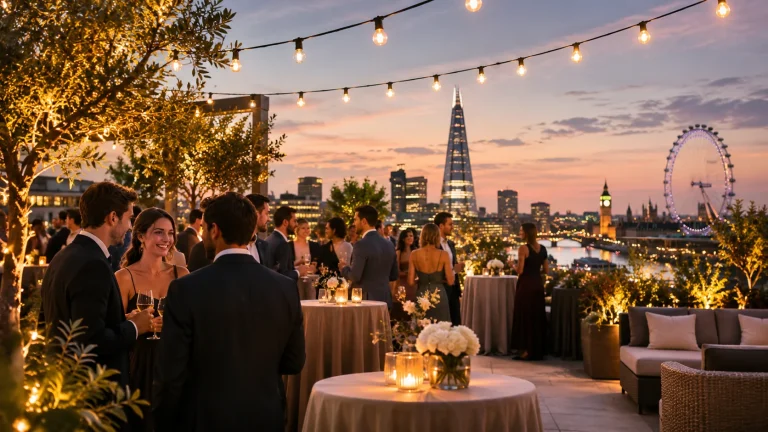
Event photographs need to do more than prove that an event happened. Organisers often need keynote speakers, interactions, branding, audience reactions, exhibition stands and images suitable for next year’s promotion.
The photographer needs a clear schedule, priority moments and a practical approach to working around delegates without disrupting the event. A good brief makes the difference between a folder of random pictures and a set the marketing team can publish the next morning.
Interiors, property and hospitality photography
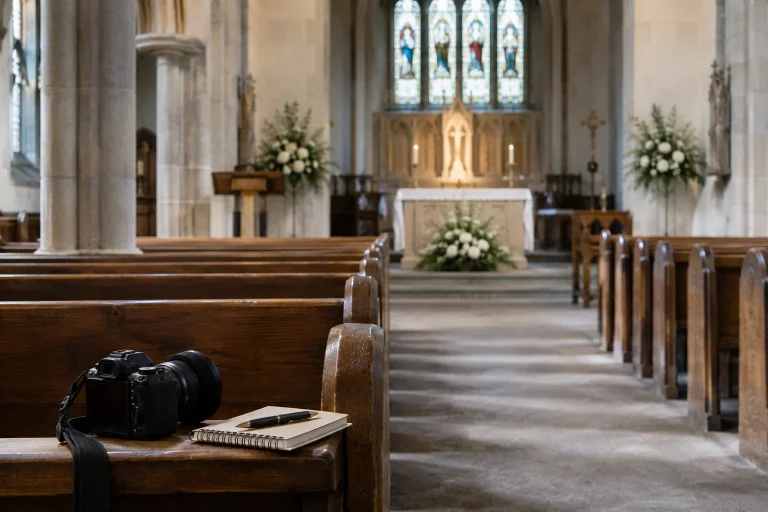
A hotel, restaurant, workspace or newly completed interior needs photographs that make its layout and atmosphere understandable. Wide views show the space; closer images help communicate materials, lighting, design and the experience of being there.
Timing matters. An empty room, a lively restaurant and a hotel suite in beautiful natural light can all tell different stories. Decide which story matters before the photographer arrives.
Food, drink and restaurant photography
Food photography is about freshness, colour, texture and timing. A dish can change quickly once it leaves the kitchen, so planning with the chef and venue team is essential. Photographs may be needed for menus, delivery platforms, campaigns, social media and press releases.
Industrial and technical photography
Industrial work can make equipment and specialist processes easier to understand. A factory, construction site or engineering business may need wide environmental photographs, details of machinery and staff at work. Safety requirements, access, PPE and confidentiality should be covered before filming or photographing starts.
Is commercial photography different from brand photography?
They overlap, but they’re not quite the same thing. Commercial photography is the wider category: images created for business use. Brand photography usually focuses on making a business feel recognisable through its people, visual style, environment and story.
A product packshot is commercial photography. A lifestyle scene that communicates a brand’s mood is both commercial and brand photography. A corporate team photo is commercial photography and may also be important brand imagery.
You don’t need to commission separate shoots purely because the terms differ. One well-planned day can often cover the overlapping requirements, provided the shot list and styling are agreed.
Why not just use stock photos or AI images?
Stock imagery can be useful for a generic concept. AI-generated visuals may also help with visual ideas or permitted illustrative material. But neither automatically documents your actual people, premises, products or work.
If a prospective customer wants to see your team or assess a particular product’s finish, an image that doesn’t match reality can damage confidence. For product claims especially, colours, features and dimensions need to be represented accurately.
Original photography is valuable because it’s specific. A real photograph of your premises, team or product is information the customer cannot get from another business’s website. Where illustrative imagery is used, don’t label it as a real client shoot.
How does a commercial photography project work?
1. Define the job. Is the priority a website relaunch, a catalogue, recruitment, a campaign or an event? Choose the outcome before choosing the style.
2. Make a useful shot list. List the essential images and where each will be used. A homepage hero image needs different framing from a square social thumbnail or a narrow staff directory portrait.
3. Plan the location and people. Check access, light, permissions, models or employees, timings, clothing and the environment. Simple preparation saves a lot of time on the day.
4. Photograph the important things first. Start with the images the project genuinely needs, then capture variations if time allows. For commercial work, consistency is often more useful than dozens of near-identical angles.
5. Select and edit the final photographs. Agree whether the quote covers colour correction, cropping, background removal, deeper retouching and delivery in multiple sizes.
6. Confirm how the images can be used. Photography contracts and quotes may specify usage permissions, duration, territories and whether a third party may reuse the photographs. Confirm these before publishing or passing images to another agency.
What should a business prepare before booking a photographer?
A useful brief can be quite short. Explain what your business does, who the audience is, how the images will be used, which subjects need photographing, where the shoot would happen and when the finished files are needed.
It’s helpful to share examples of styles you like, but don’t ask the photographer to copy another brand’s work exactly. Mention any restrictions such as sensitive workplaces, patient or child privacy, confidential equipment, or areas that cannot be shown.
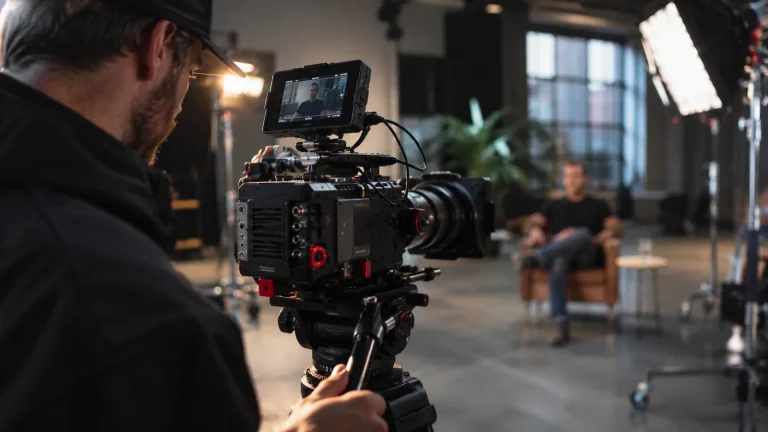
If your marketing team also needs video, say so at the start. A combined photography and video production plan can avoid repeating venue access and preparation, although the deliverables and crew requirements still need to be scoped.
How do you know whether the photographs were worth it?
Avoid measuring the success of a photo shoot only by the number of files delivered. A hundred images that nobody publishes are less valuable than twenty photographs that genuinely improve a website, product catalogue or campaign.
Look at whether the team has the right crops and formats, whether the images make the service clearer, whether they are used consistently and whether the website or campaign generates more relevant enquiries. Some outcomes will need a longer period of observation and cannot be attributed to photography alone.