Give industrial sites, developments and outdoor stories the perspective they deserve.
Aerial video planning from Manchester. Available across the UK.


An aerial shot can reveal something a close-up cannot. The extent of a factory complex. The relationship between different buildings on a commercial site. The landscape surrounding an outdoor venue. Or simply the scale of an engineering project before the camera moves in to show the detail.
We’re Videographer Manchester, a Manchester-based production team available for drone-filming briefs in Sheffield and South Yorkshire. We focus on what the aerial view adds to your film, then assess whether it can be achieved safely and lawfully with the appropriate operator. If the shot doesn’t serve a clear purpose, we’ll recommend a stronger approach rather than treating drone footage as compulsory.
Protec Roofing
Sheffield’s combination of engineering, manufacturing, education, commercial property and nearby outdoor landscapes makes aerial storytelling useful for very different reasons. Some businesses need a viewer to understand the footprint of a site; others need to show the setting of a leisure or visitor experience. For the first, clarity matters. For the second, atmosphere matters. Both need the shot to do more than look impressive.
For industrial companies, we’d usually consider aerial context alongside ground-level work. A high view might establish where operations are based, but the real story could be the machinery, craftsmanship, people and quality processes inside. Those details cannot be replaced by a flyover.
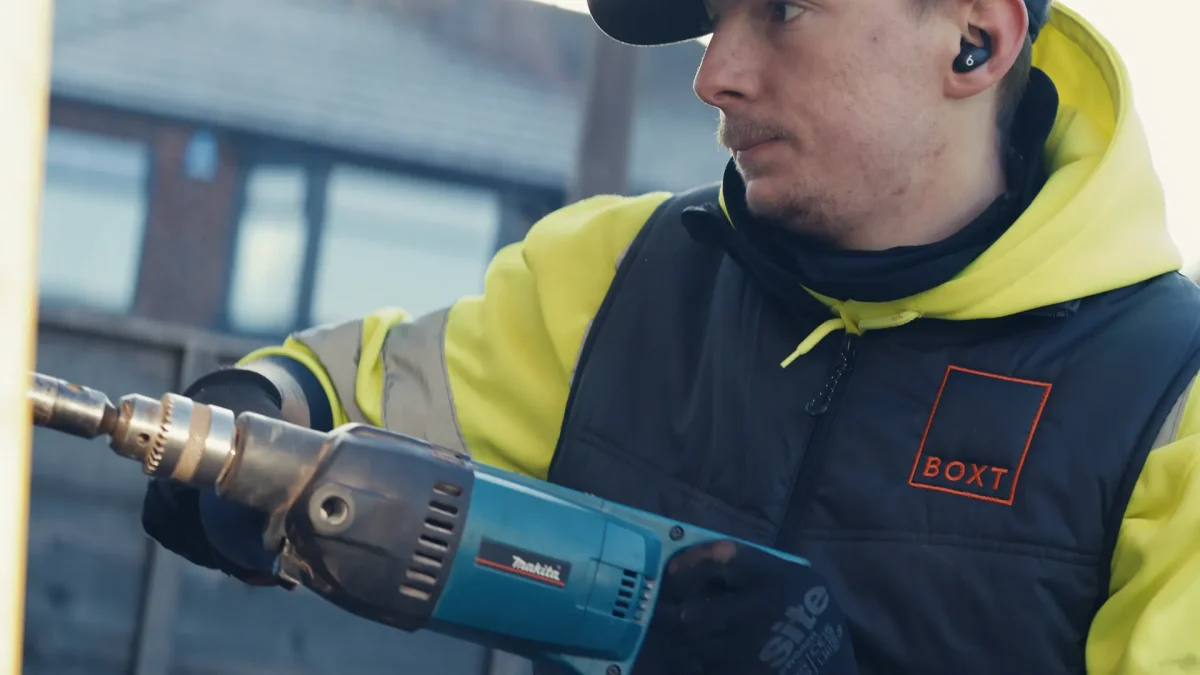
Where suitable, aerial footage can introduce the scale and layout of production facilities before the film moves inside. This is relevant for company overviews, recruitment films, supplier presentations and customer visits. A buyer may appreciate seeing that a business has substantial premises, but they also need to understand what happens there and why it matters.
An industrial shoot needs careful consideration of active yards, moving vehicles, employees, neighbouring premises and commercially sensitive areas. We would work around site rules and the appropriate operational requirements, not assume that permission to film inside a factory automatically permits a drone flight above it.
For a business operating across several units or an extensive site, a wide establishing shot may help communicate the relationship between buildings and access routes. The edit can then combine exterior footage with operational scenes, workforce interviews or carefully planned process coverage.
Aerial footage for marketing or company communications is not the same as a formal inspection or mapping deliverable. If accuracy, measurement or technical analysis is required, specialist surveying should be separately scoped.
Progress films can show a development within its surroundings and help non-technical audiences understand how the work is changing over time. To make repeat filming useful, we would agree comparable views, what milestones need recording and the relationship between the aerial and on-site footage.
For a Sheffield project, access to work zones, plant movements, workforce safety and neighbouring properties need to be planned before the day. If an aerial sequence is not feasible, ground-level filming can often capture a meaningful progress story without compromising safety.
There are businesses and venues around Sheffield where the wider landscape is a genuine part of the appeal. For outdoor leisure, destination hospitality or event marketing, an aerial view might help introduce the setting before the film moves to the activity and people involved.
That doesn’t mean drones can fly freely over parks, protected landscapes, event crowds or private land. If a proposed shot is near the Peak District or another managed area, land access, site rules, wildlife and airspace considerations require separate checks. A dramatic landscape is not a blanket permission to fly.
A Sheffield-based company might commission a brand film to show the strength of its operations, the quality of its facilities or a new premises. The first aerial shot might establish the business location, followed by real staff, product demonstrations and a clear message. That combination is often far more convincing than a minute of anonymous aerial movement.
A worthwhile drone shot makes a viewer understand something more quickly. It may connect a place to its surroundings, orient a visitor, illustrate site scale or provide context for a before-and-after story. The best angle is not necessarily the highest or most cinematic one. It is the one that makes the meaning of the shot clear.
For technical businesses, we’ll usually want to speak with someone who knows the site and process. That helps us avoid giving the wrong impression about how a facility works. For visitor venues, the question may be more emotional: what makes the location appealing, and does that come across more effectively from outside or inside?
A project in Kelham Island, Attercliffe, a busy commercial area or on the edge of the city can have different operational constraints. Roads, businesses, rail infrastructure, residential areas and people on site affect what can be considered. The precise site and proposed flight matter more than the city name.
The appropriate operator needs to review current UK CAA requirements, airspace notices, drone category and permissions, take-off and landing access, privacy and suitable insurance. We will discuss what needs checking and who is responsible before an aerial shoot is confirmed. Weather and working conditions on industrial sites can also change the plan.
If a requested shot isn’t appropriate, there may still be good alternatives: a controlled ground-level tracking shot, elevated footage from an authorised location or a film built around close-up operational details. We’d rather produce useful content than promise an aerial sequence that cannot be captured responsibly.
Imagine a manufacturer launching a new product line. The film opens by establishing the production site, then moves to the machinery and skilled team behind it. An engineer explains what makes the product useful. Close-up detail answers questions an aerial shot never could. The final edit becomes an introduction for prospective buyers rather than an attractive but generic flyover.
Depending on the brief, the same production could create a main company film, short product clips for sales, footage for a trade-show screen and concise social media videos. We would plan those outputs in advance so the aerial and ground filming support each other.
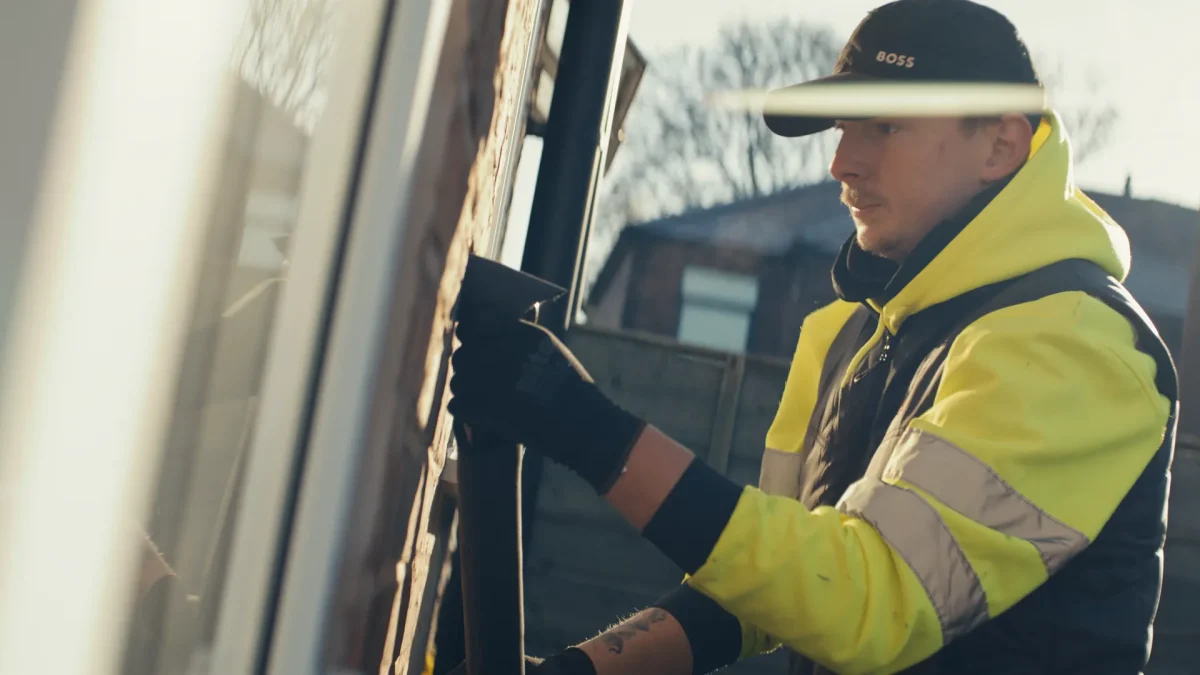
What should someone learn from the aerial perspective? Share the site address, intended use, target audience and the shots you have in mind. A location plan or reference image is helpful for large sites.
We would discuss the proposal with the appropriate operator, including any site inductions, operational limitations, authorisations and weather dependencies. A filming day isn’t confirmed on the assumption that a drone can fly anywhere.
We agree useful establishing shots, any planned movement and which ground-level scenes are needed. For a multi-site project, we also consider consistency between locations.
The agreed output might be aerial clips, a promotional video or a series of edited pieces. We’ll clarify formats, captions, music where relevant, licences and any raw-footage arrangements beforehand.
Our videography portfolio includes a drone category and examples of manufacturing and product-led filmmaking. Projects such as Trumeter show our wider interest in explaining technical businesses through video; we are not suggesting they were filmed in Sheffield or that all portfolio footage was drone-captured.
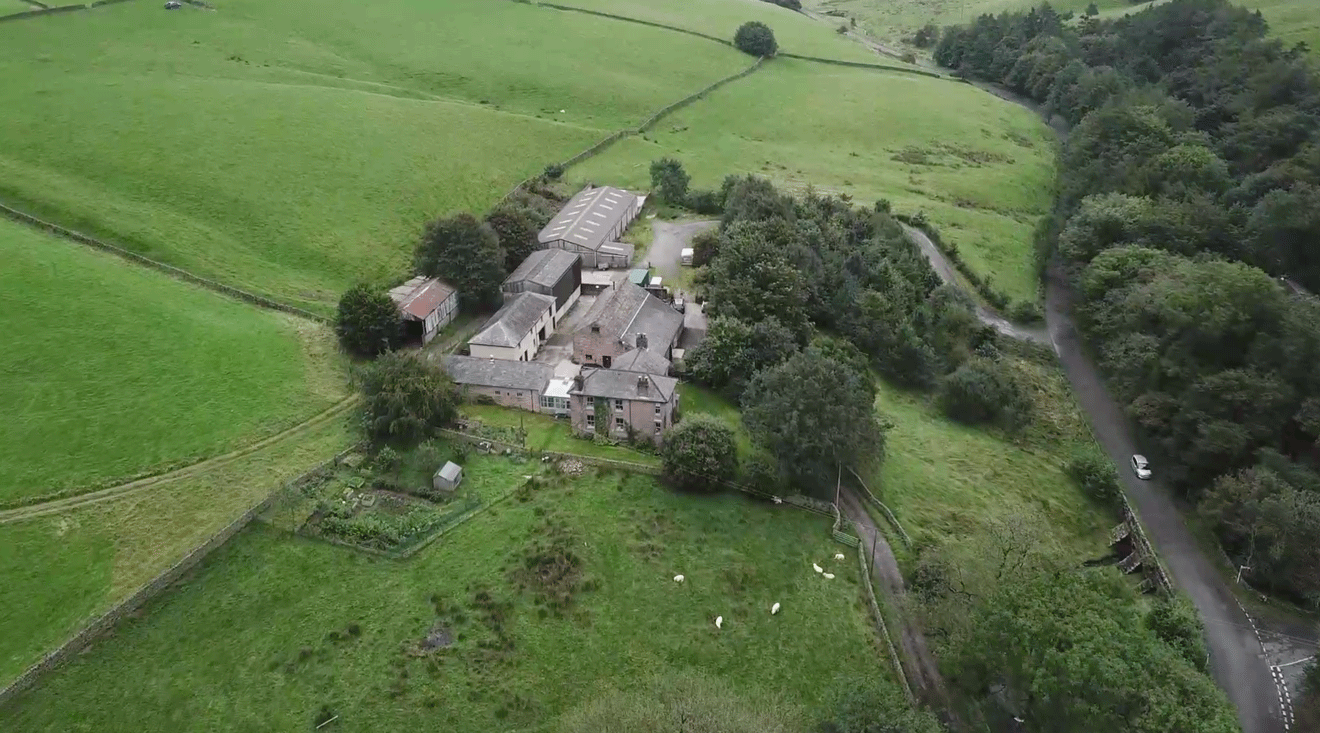
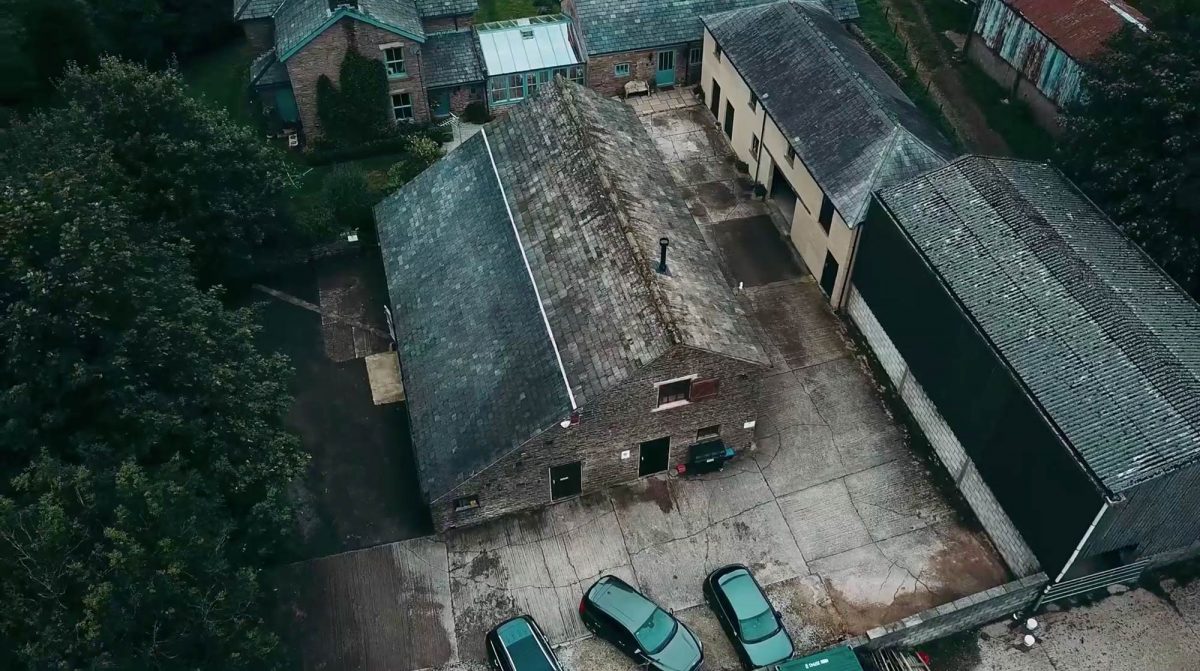
You may also find these useful: our main drone filming service, videographer Sheffield, promotional video production and corporate videography.
Sometimes, with an appropriate operation and permissions. Active machinery, staff, vehicles, nearby properties and local airspace conditions all need to be assessed. We would also establish any site-specific restrictions on photography.
Yes, for visual communication where a flight is feasible. Consistent viewpoints and a sensible schedule make repeat visits more useful. This does not automatically include technical surveying, inspections or measurement data.
We can review a proposed location, but national park and other managed landscapes can involve landowner rules, sensitive habitats and restrictions. We won’t guarantee permission based on a general area name.
Not by simply flying over the audience. UK CAA rules prohibit flying over crowds in the Open category and specific operations may need other authorisations. We would assess safe alternatives and never promise overhead crowd footage automatically.
Usually not. Aerial shots can explain scale and setting, but interviews, product footage and on-site detail often carry the main message. A good mix depends on what your customers need to know.
No. We’re based in Manchester and travel to suitable productions across the UK, with travel and operational arrangements reflected in the quotation.
It depends on the location, permissions, time on site, number of setups, any specialist requirements and the edit. Tell us the purpose and site so we can recommend a realistic scope.
We can discuss ground-level or elevated alternatives, provided they are suitable for the brief. A strong film is possible without aerial footage if the story is planned properly.
If you have a facility, development or outdoor location to show, send us the site and tell us why the aerial view matters. We’ll help plan the visual approach and discuss whether a responsible flight is feasible.