An aerial perspective is powerful. In London, planning it properly matters even more.
Aerial video planning from Manchester. Available across the UK.


A large London property, development or venue can be difficult to communicate from street level alone. Aerial footage might help introduce its footprint, show a wider setting or establish the scale of a project. But a compelling idea on a storyboard does not mean the flight is possible. Busy streets, densely occupied buildings, sensitive sites and complex airspace make location-specific planning essential.
Videographer Manchester is a Manchester-based production team available for selected projects in London and across the UK. We can discuss aerial filming as part of a wider brand or property film, or review a standalone drone brief. We assess the creative need and appropriate operating arrangements first. We do not promise a London skyline flight before the precise site and permissions have been reviewed.
Protec Roofing
London offers many opportunities to explain a complex site visually, from commercial buildings and development projects to venues and large outdoor premises. Sometimes the audience needs to see the relationship between buildings, the position of an entrance or the setting of a property. At other times the film is about people, experience and a service, and the aerial element contributes very little.
Our first question is what the footage should communicate. If the answer is simply ‘make it look impressive’, we’d challenge the brief. A thoughtful aerial shot may be the right establishing image, but it should lead naturally into the material that makes the viewer want to enquire, visit or learn more.
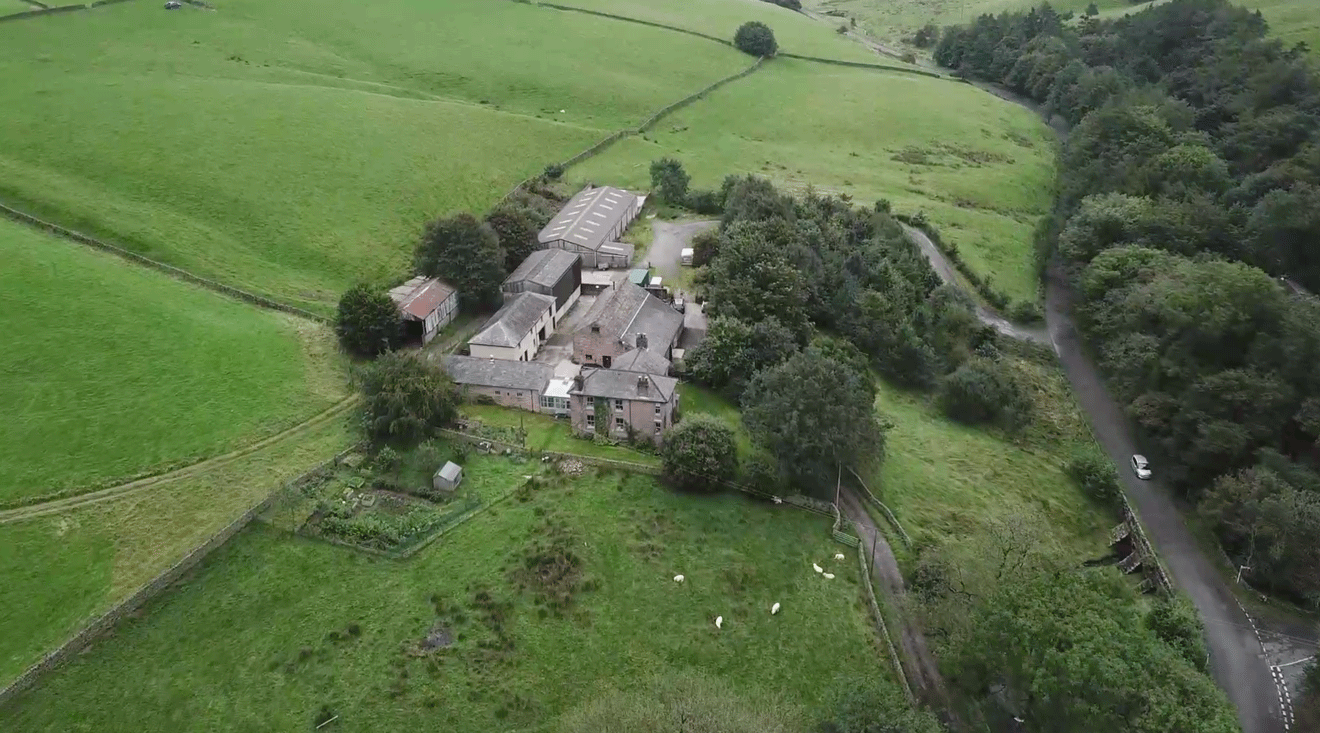
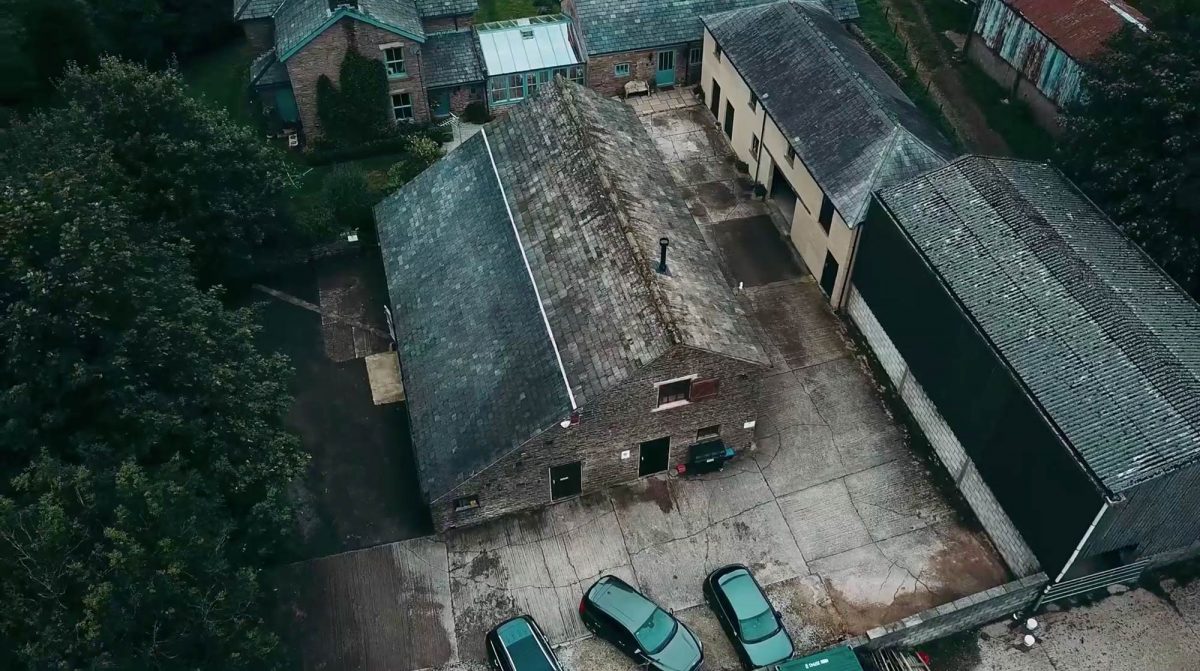
A property team might need to explain the arrangement of a site, how an external area connects to the building or where a development sits in relation to its surroundings. If an appropriate operation is feasible, aerial footage can provide context that is difficult to show with close-up images. The finished film may then move into interiors, facilities, access and features relevant to prospective tenants or purchasers.
We would plan any aerial sequence against the property marketing materials and avoid presenting film footage as a substitute for accurate plans or technical information.
Developers may want visual updates for stakeholders, launch communications or a project story that unfolds across several stages. Aerial establishing shots can be useful for scale, but they should sit alongside on-site filming, interviews and the specific milestones that matter to the audience.
Large sites may involve several contractors, restricted access, adjoining properties and operational schedules. These details need to be discussed early. If technical surveying or inspection is required, that should be scoped with the right qualified provider rather than described as an ordinary marketing-video deliverable.
Hospitality businesses often want to show their setting, but London rooftops and busy venues can be especially challenging environments for aerial work. A client may have permission to film in its venue without having authority to launch or fly a drone above the surrounding area. We would establish the actual location, restrictions and safe alternatives before developing a shot list.
In many cases a beautifully shot ground-based venue film, an authorised high-level camera position or a strong interior sequence will be more practical and useful than trying to force an aerial opening. Our promotional video production can be planned around the best available visual approach.
A company might want an aerial reveal of a headquarters or workplace to introduce its scale or setting. If that’s feasible, the next shots should make the business itself understandable: employees, activity, services and real work. A wide view creates context; the close work creates meaning.
For businesses with more than one site, consistent exterior establishing shots can also support a unified company film. Each location still needs a separate review and any relevant authorisations.
For some campaigns the location is part of the message. We can discuss what visual assets would make the announcement distinctive, but we won’t default to drones around a packed event or public square. Crowds, sensitive areas, roads and other operating conditions can make the proposed aerial sequence unsuitable. A ground team can often capture the excitement more safely and effectively.
There is no blanket answer for London. Restrictions can vary significantly across a short distance. The exact coordinates, route, buildings, people and timing matter. Flight Restriction Zones around aerodromes, controlled and restricted airspace, temporary notices and site-specific restrictions must all be checked from official sources. Land access and privacy requirements are separate considerations.
The appropriate operator must also assess which aircraft category and operational authorisations apply to the intended work, and ensure suitable commercial insurance. Even a small drone is subject to airspace restrictions, and flying over a crowded gathering is not permitted under the ordinary Open category. A client owning the rooftop does not automatically authorise use of the airspace above it.
We would scope the creative goal first, then work with the responsible operator to establish whether it is lawful and safe. If permissions are unavailable, timing becomes unworkable or the location is unsuitable, we will say so. That is a better outcome than agreeing a flight and disappointing everyone on the day.
An elevated or rooftop camera position with the necessary access permission can sometimes reveal a useful view without an aircraft. Ground-based gimbal movement can show entrances, public spaces and a sense of arrival. Longer-lens shots and considered editing can communicate scale through details rather than an overhead angle.
For a London venue, the people and environment may be the strongest content anyway. For a development, site footage and an approved vantage point can establish progress. We would propose the visual treatment based on the purpose of the film, not on an insistence that the shot must come from a drone.
An address, site plan or precise area is much more useful than ‘central London’. Tell us which features must appear, which angles you have in mind and whether the video is for a launch, property listing or wider production.
We would discuss the operating category, relevant permissions, airspace and safety constraints with the appropriate operator. Some locations may require a substantial lead time or may simply not be suitable. We will not confirm a flight based on assumptions.
Once feasibility is clearer, we can decide whether aerial footage is worth pursuing or whether ground-based filming better serves the campaign. If the production includes interviews, interiors or multiple London locations, these need their own schedule.
The output might be selected aerial clips, a property film, a brand film or short social versions. We will clarify the expected files, framing, editing, licences, revisions and any weather or permissions contingencies in the scope.
A good development launch film does not have to begin with a dramatic flyover. It needs to introduce the location and clearly explain what is being launched. If a suitable aerial angle is approved, it can establish the setting. Then ground footage can show the building, exterior detail, interiors, people and interviews. If an aerial operation is not feasible, the same story can be told using authorised viewpoints and careful editing.
The choice should be driven by the viewer. A potential occupier needs an accurate understanding of the space; an investor might be interested in progress and context; a prospective guest may care most about the experience. Each needs different coverage.
You may also find these useful: our main drone filming service, videographer London, our videography portfolio, corporate videography and social media videography.
Some proposed flights may be possible under the appropriate permissions and operating conditions, while many others may be restricted or unsuitable. We need exact location details, the desired operation and a formal feasibility review before giving an answer.
Not by itself. Landowner access does not replace airspace rules, flight restrictions, other legal requirements or the operator’s responsibility for a safe flight.
We can review a proposal, but busy venues, surrounding streets and airspace may make it impractical. Often a permitted elevated camera position or a strong ground-level sequence is a better option.
We can discuss communications-focused films for construction projects, including possible aerial context. Site restrictions, contractors, access and relevant aviation authorisations need to be addressed before committing.
Not under the ordinary Open-category approach. UK CAA guidance prohibits flying over crowds. We would review the brief and discuss lawful, safe alternatives rather than promise overhead audience footage.
No. We are based in Manchester and available for suitable London projects. Travel, crew, permissions and any specialist operational requirements are considered in the quote.
We can discuss other camera approaches and revise the shot list. If aerial footage is critical to the concept, we would raise the risk before production is committed.
Site complexity, feasibility reviews, permissions, time, travel, crew, filming and editing all matter. We would need the exact location and outputs before estimating a realistic cost.
Yes, those can be scoped as deliverables. We need to know the placements early so we can plan framing and capture enough appropriate supporting footage.
Send the exact address, the visual reference and what the finished film needs to achieve. We’ll give you a considered view of the next steps, including when a non-drone solution is more appropriate.