Show the setting, the scale and the story behind the place.
Aerial video planning from Manchester. Available across the UK.


Liverpool has a visual identity that can be a real asset to a film. A waterfront venue is experienced differently when you understand its setting. A commercial property can be easier to evaluate when you see the wider site. A hospitality brand might want to introduce a visitor experience by showing the relationship between the building, its surroundings and the atmosphere inside.
We’re Videographer Manchester, a Manchester-based team available for drone-filming projects across Liverpool and Merseyside. We can discuss aerial footage for a specific brief or as part of a wider promotional, property or business film. Before any shot is promised, the location and proposed operation must be checked for safety, access and permission. That matters particularly around busy waterfronts, public areas, transport infrastructure and restricted airspace.
Protec Roofing
Some of Liverpool’s most recognisable settings have a strong relationship with the water, historic buildings and surrounding districts. That can make the idea of aerial footage appealing, but the visual impact alone isn’t enough to justify a drone operation. The useful question is what the viewer needs to see: the scale of a venue, the layout of a commercial site, the context of a development or the setting of an outdoor visitor experience.
A strong film can establish a location quickly, then use ground-level footage to introduce the people, product or atmosphere. We plan those perspectives together. If a requested aerial shot isn’t appropriate, we can look for other ways to communicate the idea rather than pretend a difficult location is automatically flyable.
Hotels and event venues often need prospective guests to understand more than the interior design. How does the place feel on arrival? What is around it? How does a terrace, courtyard or outdoor space relate to the venue? An aerial shot may provide useful context, subject to feasibility, before the edit brings the viewer into rooms, events and guest experiences.
For a launch or refurbishment, we’d also consider how footage will work after the initial announcement: website banners, booking pages, social clips or presentations for event organisers. Some of those pieces may benefit more from interiors and real people than from the aerial sequence itself.
Aerial video can help explain a project’s broader setting, external footprint and relationship to neighbouring streets, spaces or buildings. For a property marketing team, that may be useful context alongside architectural renders, plans and on-the-ground photography. For development communications, aerial establishing footage can introduce the site before the film explains the actual work and progress.
We would not promise flights over dock infrastructure, ports, public waterfronts or busy roads just because they create striking compositions. Land access, the relevant airspace and operational restrictions all have to be assessed at the specific location.
Construction filming is often about change. A site might look very different across two phases of a project, and wider footage can help non-technical audiences understand the setting of that change. When repeat filming is part of the brief, we’d look at consistent angles, timing and the shot list before the first visit.
Any aerial element should complement interviews with contractors, site footage and key milestones. We focus on content for marketing and communication, not on providing formal survey, inspection or mapping data unless separately scoped with a qualified specialist.
A location-led film can use the city as part of the story without becoming a montage of familiar landmarks. For a leisure brand or visitor campaign, the footage should communicate what the customer can experience. The best sequence may combine an opening exterior, a walk-through and a real interaction with a person or service.
Public spaces, parks and visitor attractions may have separate restrictions or landowner rules. We assess a specific proposal rather than suggesting all visible locations are available for aerial filming.
An aerial establishing shot can help introduce a large outdoor venue or the setting of a company event. But crowd safety and nearby buildings are significant considerations. We won’t offer overhead filming of a packed audience as a standard deliverable. A ground-based event film can still capture the energy, key moments and guest experience effectively.
Liverpool waterfront, the Baltic Triangle, the city centre and locations farther out across Merseyside may present very different conditions. An exact site address is essential. Routes used by aircraft, maritime or port operations, people moving through public spaces, third-party property and suitable take-off areas can all affect the proposal.
The appropriate operator must review current CAA rules, airspace restrictions and temporary notices, aircraft category, required permissions, launch/landing access, privacy and weather. Where a location falls within a flight restriction zone or other restricted airspace, specific permission may be needed, and it cannot be assumed. Commercial operations also need appropriate insurance.
If you’re filming an occupied venue or a business that cannot close during the shoot, we’d plan around the people using the space. Drone filmmaking should not disrupt normal operations or create an unexpected risk to visitors, staff or the public.
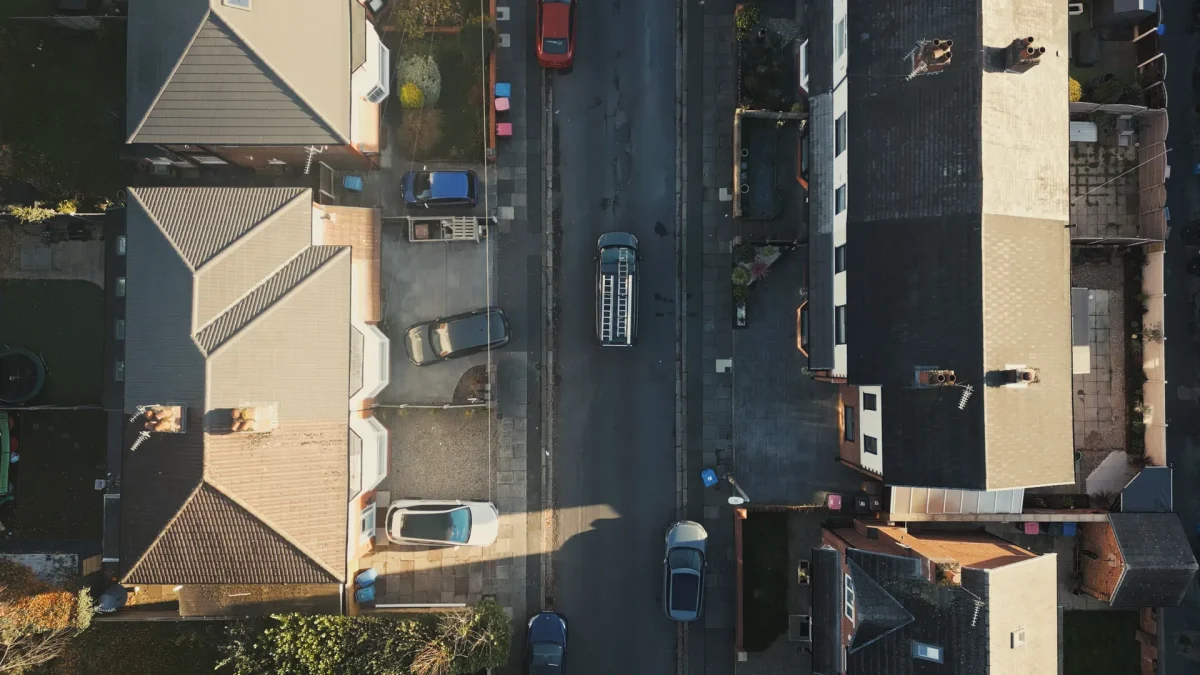
Imagine a venue preparing a new campaign. An opening shot could establish its setting if permission and safe conditions allow. The film would then move inside to show the reception, rooms, food, staff and actual customer experience. A short interview with the venue manager could explain what makes the place distinctive. The aerial shot provides context; the people and details provide the reason to book.
From that same planned shoot, the marketing team might request one main promotional edit, a short website loop and several social clips. We can discuss capture formats in advance, because footage designed for a wide screen doesn’t automatically make a strong vertical video.
Our promotional film work includes a Leonardo Hotel Chester case study in the wider portfolio. It’s an example of a hospitality launch approach, not a claim of drone filming in Liverpool.
Send the address or site map, the proposed shots and the reason the footage is needed. Are we helping people understand a property, promote a venue or provide context for a larger brand film?
We’ll discuss the operational plan, access, permissions, people on site and realistic weather conditions before confirming the aerial work. Some shots may need to be changed or removed.
Once suitable arrangements are confirmed, we plan the aerial shoot around useful light, available access and any ground-level content. We prioritise the essential material rather than flying longer for no clear benefit.
You might need selected clips or an edited film. We’ll agree versions, orientation, music, licensing, captions, revisions and raw-material access as relevant to the project.
The drone filming portfolio category offers a sense of visual style. If the wider campaign needs interviews, hospitality footage or customer stories, our corporate filming and promotional services can be planned together with any feasible aerial work.
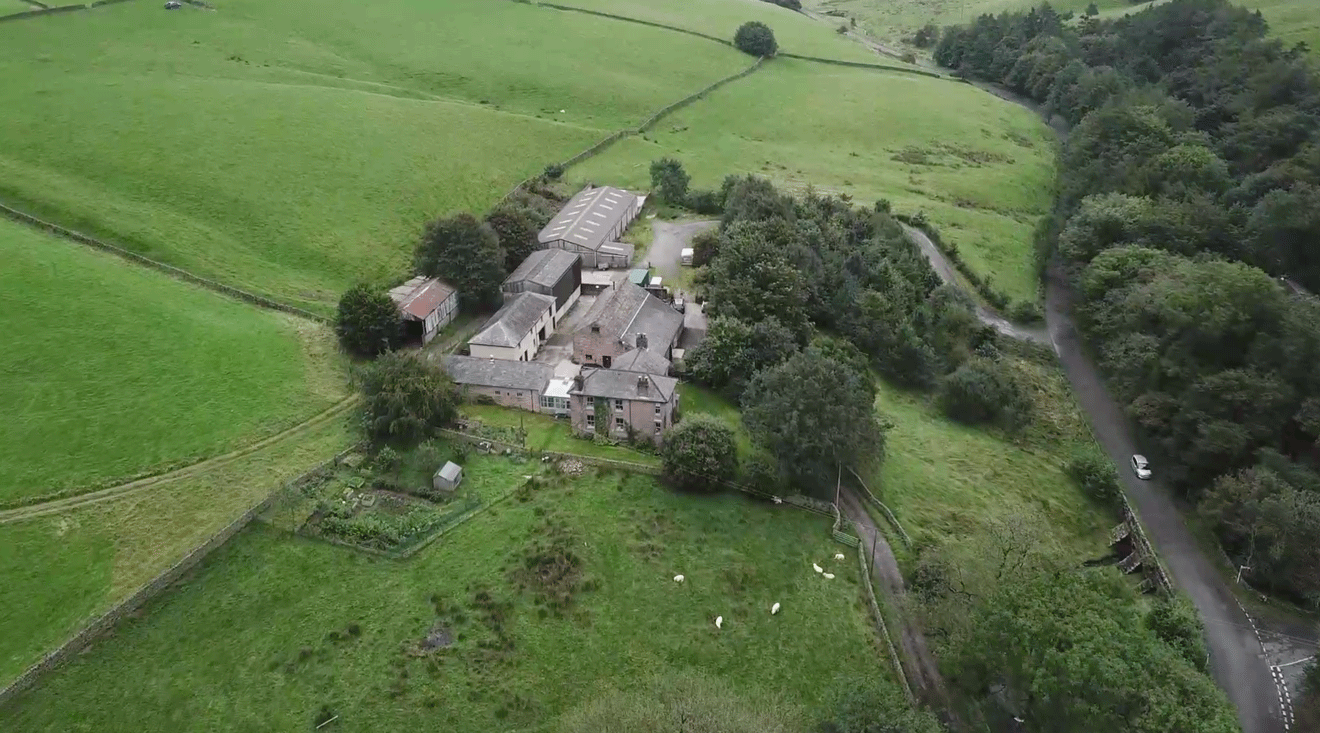
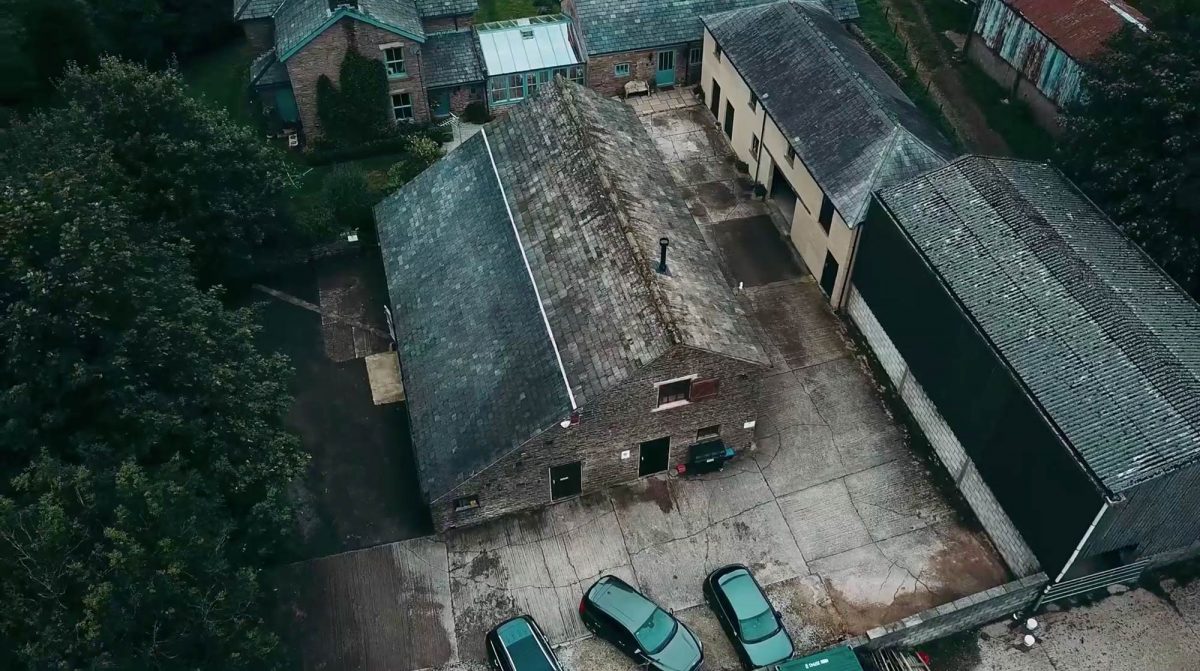
You may also find these useful: our main drone filming service, videographer Liverpool and social media videography.
The answer depends on the exact launch location, proposed route, airspace, people, nearby infrastructure and required permissions. Waterfront scenery is not automatically approved for drone use. We’ll need to assess the intended shot first.
Yes, when it can be captured lawfully and safely. Aerial footage can help explain setting and access, but we would also recommend interior and guest-experience content where that’s central to the booking decision.
Not as a standard open-category drone flight. UK CAA rules prohibit flying over crowds, and additional permissions or operational approaches may be necessary for other kinds of work. Ground coverage may be the sensible choice.
We can discuss projects in Liverpool and the wider region, including suitable sites elsewhere in Merseyside. Every location needs its own feasibility assessment rather than relying on a general regional claim.
We can review the site and desired shots. Useful footage often includes external layout and context, supported by ground-level coverage. The final plan depends on legal and operational feasibility.
Some areas may be restricted and require specific authorisation, while others may not be suitable. We check official airspace information and site permissions rather than assuming access.
The quote reflects the site, planning and permission requirements, travel, filming time, complexity and editing. A simple approved location and a complicated waterfront brief can be very different jobs.
We will discuss a contingency before production. If conditions are unsuitable for safe operation, an aerial flight may need to be rescheduled or substituted with relevant ground-level footage.
Share your location, the reason the aerial view matters and where the final video will be used. We’ll help put together a responsible approach that balances creative value with the realities of the site.