A clearer view of your building, development or brand story.
Aerial video planning from Manchester. Available across the UK.


A Birmingham business film might need to show the size of a site before explaining what happens inside it. A developer might want to introduce the setting of a new scheme. A venue might need people to understand its exterior space and surroundings before they enquire. In the right circumstances, aerial footage can give those stories a clear opening.
We’re Videographer Manchester, a Manchester-based production team available for drone-filming briefs in Birmingham and the wider West Midlands. We work from the purpose of the film, not from an equipment list. Any proposed drone operation must be reviewed for safety, legal requirements and access before we confirm that it can be included in a shoot.
Protec Roofing
Birmingham has a mixture of commercial districts, creative businesses, established industrial locations, new developments and major event venues. One business may need an aerial view to communicate site scale; another may want a polished exterior sequence for a brand film. They are not the same brief, and the most useful shots won’t necessarily be the most dramatic ones.
We start with the decision the video should help someone make. For a property investor, context and layout may matter. For a prospective venue customer, the experience inside probably matters more. For an engineering company, the aerial shot might establish the premises before a closer look at people and process. That distinction helps keep the production purposeful.
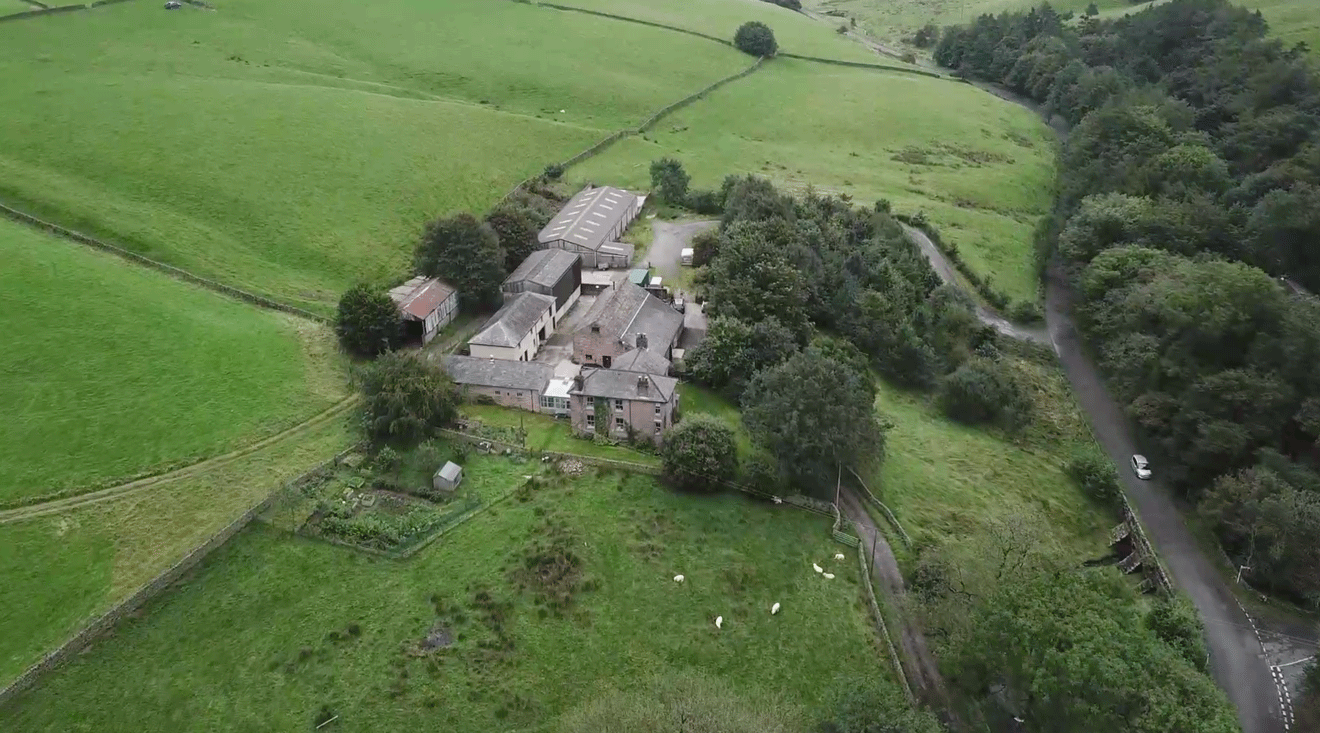
Where a suitable flight is possible, aerial footage can show the relationship between buildings, grounds and nearby amenities. For a mixed-use development, wider establishing shots may help the viewer understand the position of the scheme before the film moves to individual spaces. For business parks or commercial premises, the value can be showing external layout and access rather than a generic view of the city.
We would agree which parts of the site are genuinely relevant to the property marketing. The footage should complement plans, accurate descriptions and interior photography, not make unsupported claims about the development or its surroundings.
For contractors and developers, a planned sequence of aerial and ground-level footage can communicate progress to a wider audience. It might introduce the overall site, then move to particular stages of construction, workmanship or interviews with people leading the project. If there are repeat visits, we’d discuss consistent viewpoints and what changes need recording.
Construction sites require a clear access and safety plan. A drone cannot simply be launched because the contractor has given general filming permission. The relevant operator must review the intended flight, people, machinery, adjacent spaces and airspace requirements. Specialist inspections and measured surveys are separate services that should not be assumed.
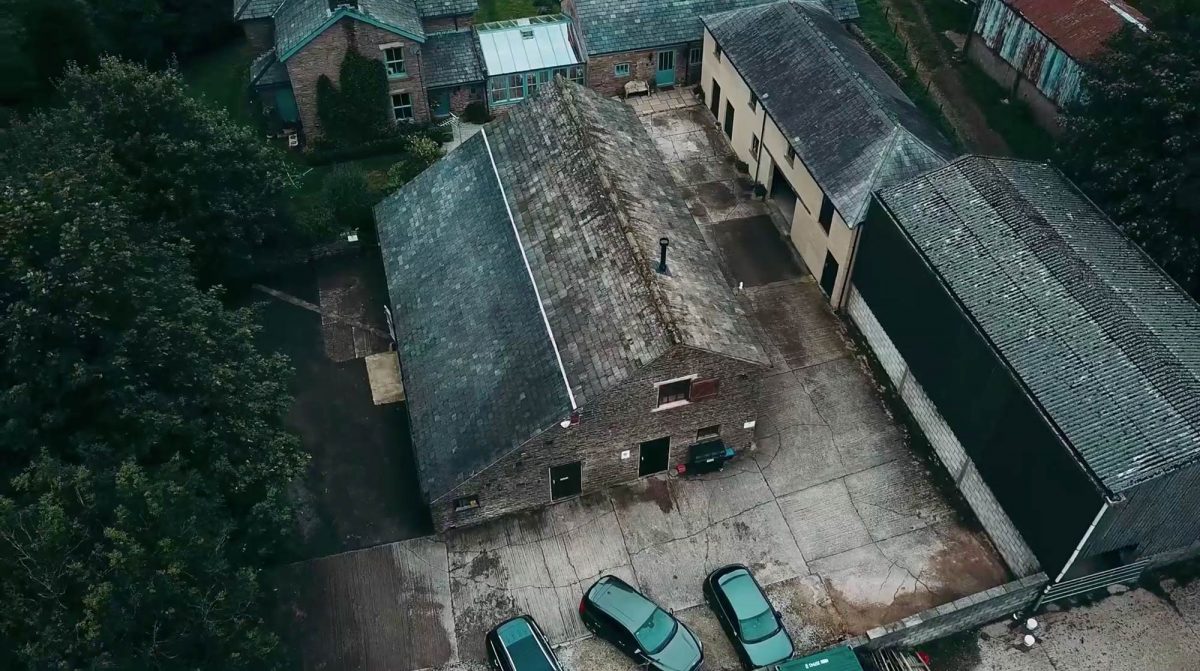
Aerial video may help communicate how a large warehouse or group of production units sits within a wider site. But the stronger message often comes next: showing the operation, skilled team and equipment that make the business interesting. That might mean combining an establishing view with careful corporate footage and product or process filming.
These locations may be busy with loading bays, moving vehicles and workers. We would discuss operational restrictions and agree the scope with the site team before a proposed flight.
Birmingham has a strong exhibition and events market. Aerial footage may help introduce the setting of a venue or an outdoor space, but it shouldn’t be presented as an automatic option around an event crowd. A multi-camera ground-based film can usually capture speakers, visitors, stands and atmosphere far more effectively than a distant overhead view.
Projects around the NEC and other major venues can have additional site and airspace considerations, including proximity to airports. We need to assess an exact proposed location rather than assume an exhibition venue can be filmed from the air. For event films, the organiser, venue rules and production schedule all matter.
For a hotel, restaurant or leisure venue, the footage should help viewers picture the experience. An aerial shot might set the scene where suitable, then give way to interiors, people, food, activity and the details that lead to bookings. For a new business launch, it can add context to a film built around the team, product or service being introduced.
We can discuss a main film for the website plus shorter social media videos when those outputs have been planned from the start.
There is a big difference between a privately managed commercial site in an appropriate location and a request to fly above a crowded street in the city centre. Areas such as Digbeth, the Jewellery Quarter, Brindleyplace, the Colmore district and sites farther out across the West Midlands each have their own practical circumstances. These are examples of the kind of location a client might enquire about, not guarantees that flights are allowed there.
Before agreeing an aerial shoot, the relevant operator needs to check UK CAA rules, airspace restrictions including temporary notices, aircraft category and operating authorisations, take-off permissions, people nearby, privacy and insurance requirements. Airport-related Flight Restriction Zones may require specific permissions. A client’s authority to film at a building is not the same as authorisation to use the airspace.
We also consider the ordinary details that affect a filming day: deliveries, staff movement, site inductions, light, weather and how long each setup realistically takes. A plan that ignores those factors often leaves the editor with impressive-looking shots but not enough useful material.
Imagine a new commercial facility preparing for launch. A short aerial sequence, if permitted, may establish the footprint and setting. The film can then move to a ground-level entrance, a tour of the space and interviews explaining the purpose of the site. It might finish with a concise message from the company and a clear next step for prospective customers.
That gives the audience a reason to watch rather than simply admiring the building from above. The same filming session could support a property webpage, a stakeholder presentation or a series of shorter campaign videos, provided the different formats are planned into the shot list.

Tell us the address, filming purpose, key features and what the video needs to achieve. A site map, existing plans and reference shots help us understand where aerial footage may add value.
We review the proposal against the applicable operating conditions and permissions. Particular attention goes to airspace, people, site access and any nearby transport or aviation infrastructure. We may recommend different shots or a ground-based approach.
If a suitable aerial operation is available, we agree priorities and integrate the coverage with any interviews, product scenes, interiors or event filming. The best schedule protects the shots that matter most.
The final output may be selected clips, a main brand film, a property launch video or short social edits. We’ll agree duration, orientation, music and licence arrangements, revisions and any raw footage requirements before production.
The videography portfolio includes a drone category and other examples across property, hospitality and business filming. We can also discuss how aerial footage may fit a wider promotional film. Portfolio projects are not represented as Birmingham drone shoots unless specifically identified.
You may also find these useful: our main drone filming service and videographer Birmingham.
We can assess a proposed site, but dense urban locations bring significant operational considerations. Restrictions, people, access and the specific route need checking before a flight can be confirmed.
It depends on the exact coordinates and current restrictions. Flight Restriction Zones and other airspace requirements may apply and permission may be necessary. We won’t promise a flight near an airport before checks are complete.
Where it’s feasible, aerial footage can explain layout, external scale and surroundings. It works best alongside accurate property details, ground-level photography and interior footage.
We can discuss repeat communications filming, with comparable views and planned milestones. This is different from formal inspection, mapping or surveying, which require separate specialist scope.
We would plan around safe access, staff and visitor activity, and suitable timing. An occupied site may need alternative angles, a different filming window or no aerial element.
Yes. We can discuss a combined production using aerial context, interviews, workplace footage and an edited message, with the aerial part subject to a suitable operation.
No. We are based in Manchester and travel for suitable projects. Travel and any extra crew or operational requirements are included when the quote is scoped.
The exact site, flight feasibility, access and permissions, filming time, travel and editing affect the quote. A brief with a location and sample shot list helps us estimate properly.
Yes, where agreed. We would plan the intended platforms early and confirm which shots work well in landscape, square or portrait formats.
Tell us where you want to film, what the audience should understand and how the footage will be used. We’ll help decide whether aerial filming is the right approach and what needs to happen before a shoot can be confirmed.