Give people a clearer picture of what you do – and a reason to pay attention.
Filming projects in Cardiff and South Wales, planned around your brief.


A good video doesn’t need to be complicated. It needs to communicate something people care about. That could be the atmosphere of a major event, an explanation from someone who really knows their subject, or a brand showing what makes its experience different.
We’re Videographer Manchester, a Manchester-based team available for filming in Cardiff and across the UK. Toni manages the project and keeps the brief on track, while senior videographers Louie and Adam lead the filming. We help organisations work out what to capture, plan a sensible production and turn the footage into content that has a useful place in their marketing or communications.
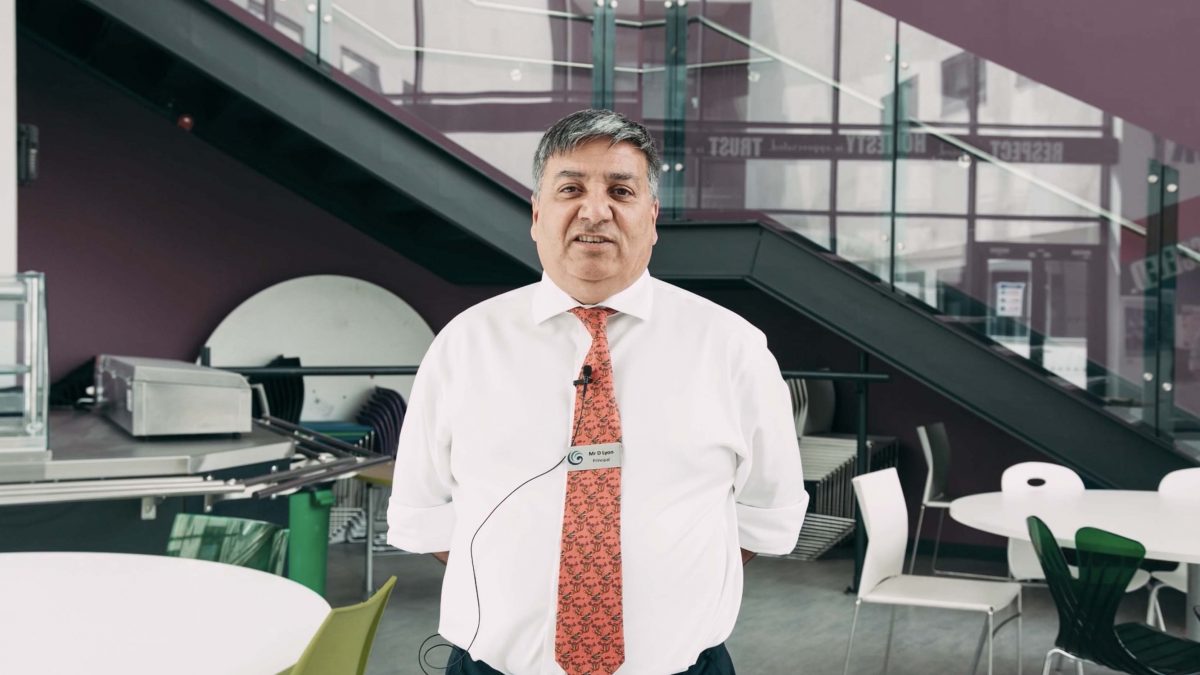
Waterhead Academy
Cardiff offers everything from busy business districts to waterfront spaces and large event venues. But a familiar location isn’t enough to carry a film. The strongest content is built around the audience: who needs to watch it, what are they trying to understand and what should happen afterwards?
A conference organiser may want a highlights film that helps promote next year’s event. A professional services firm may need to explain its expertise without relying on jargon. A hospitality brand may want viewers to imagine themselves in the space. An employer may need future colleagues to meet the people they’ll be working with.
We start with those questions, then decide how interviews, action, location footage and editing can work together. The aim is to make a film that helps someone take the next step, not simply fill a website with moving images.
Introduce the business behind the name. We film leadership interviews, company stories, recruitment content, internal communications and practical workplace footage. A good corporate film feels like the people involved rather than a generic template, and we help contributors speak naturally on camera.
For conferences, exhibitions, launches, awards evenings and other events, we can discuss highlights, interviews, speaker excerpts and social content. The filming plan starts with the programme: which sessions matter, what’s happening at the same time and what content the organisers need afterwards.
For venues, hotels, visitor attractions and brands, film can help communicate an experience before someone books or visits. We think about people, atmosphere, service and detail, then decide which footage will be most useful for the audience and platforms you’re targeting.
A customer story works because it gives the viewer something concrete. We help contributors feel comfortable, ask questions that get beyond vague compliments and use supporting footage to show the work or outcome being discussed.
A filming session can be structured to create a series of short, useful clips for LinkedIn, Instagram or campaign activity. If you want vertical footage, subtitles or several distinct talking points, we’ll include that in the brief rather than treat it as a last-minute edit request.
For a product or specialist service, seeing it in use can answer questions far more quickly than a technical description. We can discuss how-to content, demonstrations, product details and process-led footage, subject to any specialist access or safety requirements.
We can discuss filming around Cardiff city centre, Central Square, Cardiff Bay, Cathays, Roath, Pontcanna and other parts of the city, as well as a wider South Wales project when the brief calls for it. We’re not Cardiff-based and don’t claim an office there; travel and any accommodation needed will be discussed transparently.
An office interview near Central Square is a different production from filming a busy venue in Cardiff Bay. We plan for access, sound, available light, people, parking and the practical time required to move between locations. If a venue needs to operate normally while we’re filming, we can discuss quieter periods and areas that will be available.
Commercial filming on Cardiff Council-owned streets and public spaces generally requires permission through the Cardiff Film Office. Privately managed locations need their own approvals. We’ll check the intended location and current requirements rather than assume any public space can be used without arrangements.
Some people love speaking on camera. Most would rather get back to their actual job. That’s fine. The right approach is often a conversation built around a few useful questions, not a script everyone has to memorise.
Before filming, we’ll work out what the person is best placed to explain. A director might cover the bigger picture; a specialist might demonstrate the work; a customer might explain what changed for them. We’ll choose a setting where the audio is clear and give people time to settle before recording.
The supporting footage matters too. If someone is talking about a facility, a product or a team, we want to show it. That makes the finished video feel more grounded and helps the audience understand the story rather than simply hearing it described.
Some Cardiff projects need to speak to more than one group. A conference may have delegates, sponsors and future attendees. A public-facing organisation may need to explain a service to people with different levels of familiarity. A business launching something new may need one version for its website and another for social campaigns.
We’ll talk through those audiences early, because the edit and required footage may differ. A short social film needs a strong point quickly. An internal update may need more context. A highlight film should capture the feeling of the event, but a speaker extract needs reliable sound and an uninterrupted recording.
For projects requiring English and Welsh versions, or Welsh-language subtitles, we’ll discuss the requirements at the briefing stage. Approved translation, wording checks and language-specific edits need to be supplied or separately arranged and included in the scope. We won’t assume the same edit can simply be relabelled for another audience.
For a Manchester-based team travelling to Cardiff, proper planning helps everyone. We’ll want to know the filming date, the locations, who needs to be on camera and whether the schedule includes early starts or more than one day. We’ll be clear about travel, crew and any overnight stay when quoting.
A focused filming day might produce a main company film and several short interviews. A two-day conference might call for multiple camera positions, audio support and different edits for organisers or speakers. These are very different projects, so we’ll recommend a setup around the work rather than a fixed package.
We’ll also agree what you need after filming: finished film lengths, review rounds, captions, formats, music, delivery requirements and any raw-footage requests. That prevents the small details from becoming frustrating once the content is being edited.
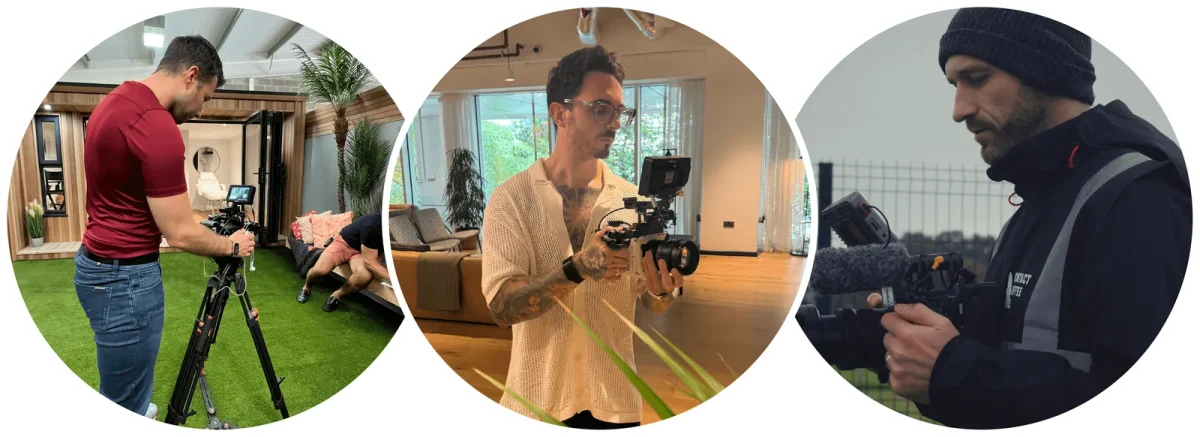
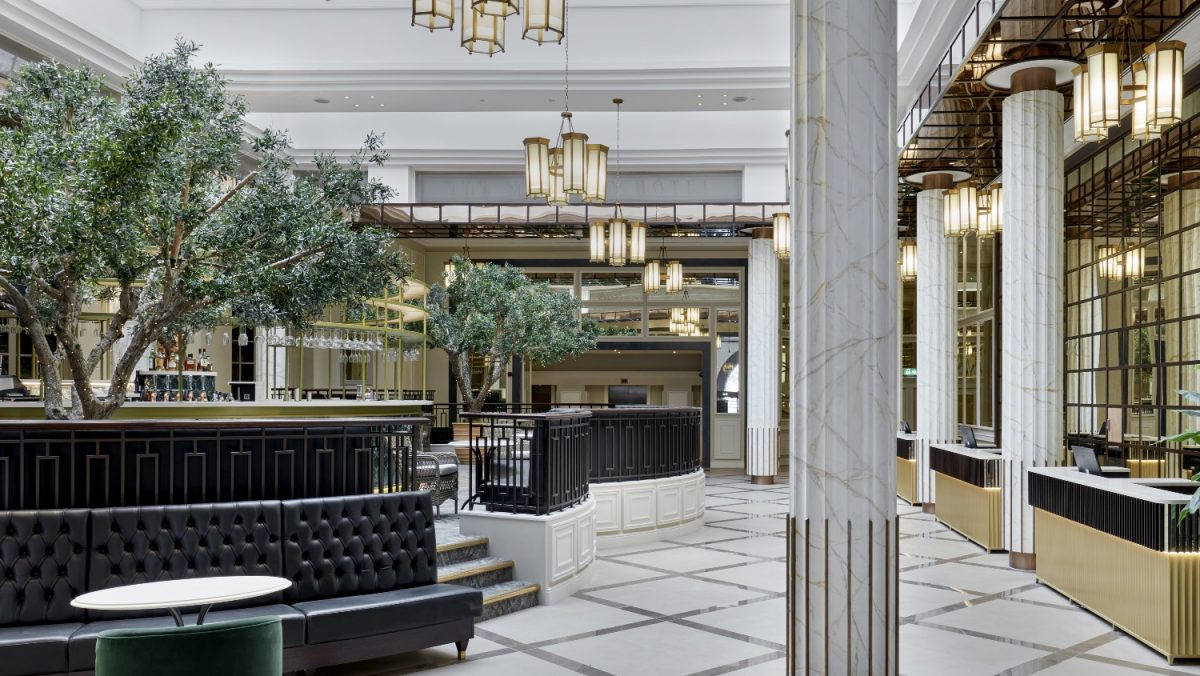
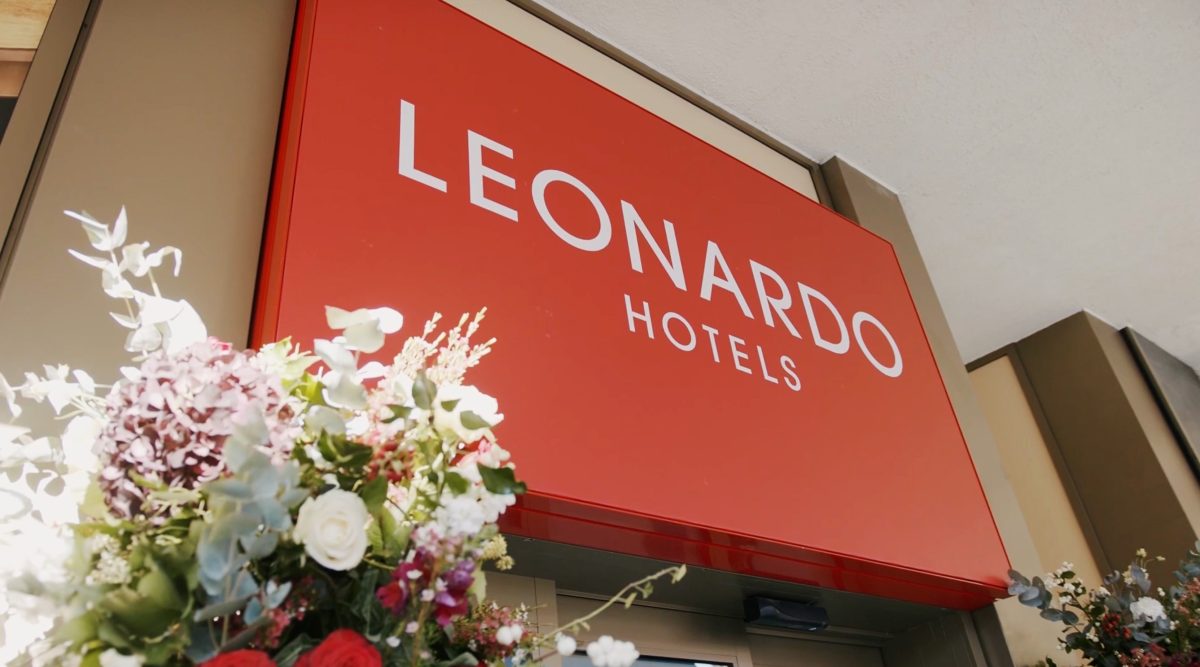
Our portfolio includes films for The Midland Hotel, Leonardo Hotels, Forest Gin, Trumeter and Haines Watts x Applied Nutrition. These are examples of business, promotional and brand-related production; we don’t describe them as Cardiff shoots unless a project can genuinely be verified as such.
We can show you relevant examples, explain the thinking behind them and discuss how a similar approach might work for your own business or event. Some projects need atmosphere and pace, others need calm, confident explanation. Good film-making begins with knowing the difference.

Toni will ask about the audience, the key message, filming dates, location, approvals and where the finished content will appear. You can send a full brief or start with a few honest notes.
We agree the must-have footage, interviews, access, permissions, schedule and crew. Louie and Adam then have the space to focus on filming and the flexibility to capture moments that aren’t on a shot list.
We shape the content into the agreed outputs, with formats, reviews and delivery terms clear from the outset. The aim is video that your organisation can actually use and feel confident sharing.
No. We’re based in Manchester and travel for projects in Cardiff and elsewhere in the UK. We don’t advertise a Cardiff office or permanently local crew. We’ll explain any travel and accommodation needs in the quote.
Yes, we can discuss them. We’ll need the running order, venue details, access arrangements and list of required outputs. If different sessions happen at the same time, we’ll advise on the coverage needed.
We can discuss both. Commercial shoots on Cardiff Council-owned public spaces may need a film permit, and privately managed venues have their own permissions. We’ll review the actual filming plan and what’s required.
Yes. Those can work well together if we plan the schedule and questions properly. We’ll make sure there’s time for clean audio, natural answers and the supporting footage the edit needs.
That can be scoped if required. We’d agree who provides or approves the Welsh translation and whether separate versions, subtitles or on-camera language requirements are needed before pricing the work.
There isn’t one price for every brief. Cost depends on the shoot, crew, travel, editing and final deliverables. Tell us your project and budget, and we’ll advise on an approach that makes sense.
Yes, where planned. We’ll identify the moments and interviews most likely to work as short, standalone pieces and agree any vertical formats, subtitles and turnaround requirements in advance.
Yes. We can support an existing campaign brief or help work out what the production should involve. It’s useful to know who will review the material and what brand, accessibility or communications requirements apply.
Whether you’re planning a Cardiff conference, promoting a venue or explaining a service, send us the essentials. We’ll help you turn the idea into a clear filming plan and useful finished content.